Storage clutter sneaks up fast. Clothes pile onto chairs, kitchen gadgets overflow cabinets, and toys invade every corner. The 13x15x13 storage bin, a compact yet surprisingly versatile workhorse, solves this problem without demanding a complete lifestyle overhaul. These mid-sized bins fit standard shelving, slide under beds, nest in closets, and stack efficiently in garages or basements. Unlike oversized containers that hog space or tiny bins that splinter your collection into chaos, the 13-by-15-by-13 dimension hits a sweet spot: large enough to hold meaningful quantities, small enough to handle without straining your back. Whether you’re organizing a bedroom closet, pantry, workshop, or seasonal decorations, this article walks you through selecting the right bins, placing them strategically, and maintaining systems that actually stick.
Table of Contents
ToggleKey Takeaways
- The 13x15x13 storage bin dimension is a proven sweet spot at 41.5 liters, large enough to hold meaningful quantities while remaining manageable for most adults to lift and handle safely.
- Plastic storage bins work best for utility spaces like garages and basements due to waterproofing and durability, while fabric bins suit visible bedroom and living areas for aesthetic appeal.
- Strategic placement of 13x15x13 storage bins maximizes space: under beds with 10–12 inch clearance, stacked three to four high on shelving, and organized vertically in closets and pantries.
- Labeling everything with a label maker and rotating seasonal inventory to accessible locations prevents the frustration of forgotten items and encourages consistent use of your storage system.
- Always measure your shelf dimensions, closet depth, and under-bed clearance before purchasing to ensure 13x15x13 bins actually fit your space and prevent costly storage mistakes.
Why 13x15x13 Storage Bins Are Ideal for Modern Homes
The 13x15x13 dimension isn’t arbitrary, it’s a proven sweet spot for residential storage. At roughly 2,535 cubic inches (about 41.5 liters), these bins hold a substantial load without becoming unwieldy. A standard 5-shelf closet organizer accommodates three or four of these bins per shelf, and they fit comfortably on common garage shelving units rated for 200-300 pounds per shelf.
Why this size matters comes down to ergonomics and real estate. Picking up a 13x15x13 bin filled with winter blankets or holiday decorations requires genuine effort but remains manageable for most adults. Heavier containers risk injury and discourage you from actually using them, which defeats the entire purpose. Conversely, smaller bins force you to buy more units and fragment your inventory across multiple boxes, making it harder to find what you need.
These bins also play well with modern homes. Open shelving trends and minimalist aesthetics favor uniform, stackable containers that look intentional rather than haphazard. The proportions work with standard interior dimensions: hallway closets, under-bed clearances (most bed frames sit 10-12 inches high, leaving 3-5 inches of usable space above a 13-inch-tall bin), and shelf widths in kitchens and bedrooms. Whether your home is a cramped urban apartment or a suburban house with a full basement, 13x15x13 storage bins deliver flexibility that one-size-fits-all solutions simply don’t match.
Choosing the Right Material and Style for Your Needs
Plastic vs. Fabric: Comparing Durability and Aesthetics
Plastic bins and fabric containers each solve different problems, and the best choice depends on your environment, visibility tolerance, and budget.
Plastic bins (typically polypropylene or high-density polyethylene) offer waterproofing, durability, and ease of cleaning. They resist moisture, making them ideal for basements, garages, attics, or anywhere humidity fluctuates. A translucent plastic bin lets you see contents without opening it, crucial for quickly locating items in a packed closet. Plastic handles tend to be more robust than fabric handles, and the material withstands temperature swings without degrading. The downside: plastic bins look utilitarian and can feel cold in bedroom or living room settings. Cost ranges from $8–$25 per bin depending on thickness and brand reputation.
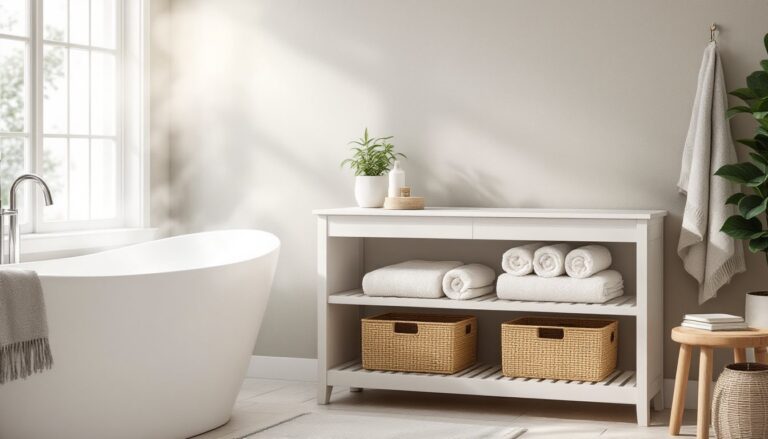
Fabric bins (usually canvas, felt, or poly-linen blends) fit seamlessly into aesthetic-focused spaces like bedrooms, nurseries, and visible living areas. They come in diverse colors and textures, allowing you to match décor or create a curated look on open shelving. Fabric is lightweight and gentler to handle, and many designs fold flat when empty for storage efficiency. But, fabric absorbs moisture and odors, making it unsuitable for damp environments. Dirt and dust settle into weaves, requiring regular vacuuming. Fabric bins cost $12–$35 per unit and often require hand-washing or occasional air drying.
Hybrid options blend the benefits: bins with plastic bases and fabric sides, or plastic bodies with fabric drawer-style fronts. These cost $15–$40 but offer reasonable compromise. Many professional organizers recommend reserving plastic for utility spaces (garage, basement, attic) and fabric for visible zones. Experts at Apartment Therapy frequently highlight this layered approach, noting that strategic material choice keeps spaces both functional and inviting.
Practical Organization Ideas for Every Room
Bedrooms, Closets, and Under-Bed Storage
Bedrooms benefit enormously from 13x15x13 bins because they handle seasonal clothing, extra bedding, and off-season items without crowding hanging space. In a walk-in closet, two bins per shelf on a 5-tier unit keep sweaters, off-season jackets, and lightweight scarves organized and visible. Label each bin with a label maker or painter’s tape to prevent the dreaded “mystery box” rummage session.
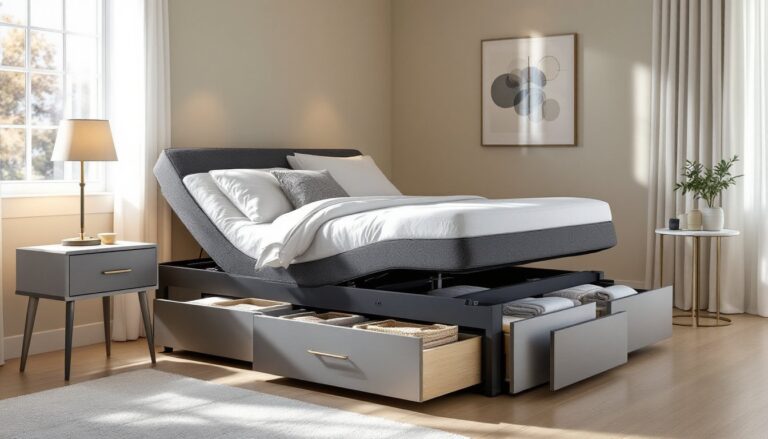
Under-bed storage is one of the most underutilized zones in any home. Standard queen and king beds typically sit 10–12 inches high, accommodating a 13-inch-tall bin with 1–2 inches of clearance. These bins excel for storing quilts, pillows, guest bedding, or luggage. Use flat plastic bins rather than tall ones, and slide them in and out on furniture sliders or plastic glides to protect both the bin and your flooring. A typical queen bed can fit two bins side by side lengthwise, doubling your storage without visible clutter.
For children’s rooms, 13x15x13 bins organize Lego collections, building sets, toy vehicles, and stuffed animals more efficiently than scattered toy boxes. Fabric bins with handles make it easy for kids to grab and return items, building organizational habits early. Shelving units designed for IKEA-style cubbies often call for bins in exactly this range.
Kitchens, Pantries, and Garage Spaces
Kitchens and pantries employ these bins for bulk purchases, baking supplies, and specialty ingredients. A translucent plastic bin clearly displays pasta, rice, or canned goods while protecting them from pantry pests and humidity. Stackable designs turn vertical pantry walls into organized zones: one bin for baking staples, another for snacks, a third for dietary-specific items. Label the front so you can see contents at a glance without moving the bin.
Garages see heavy use from 13x15x13 bins. Hardware, automotive supplies, seasonal decorations, and gardening tools all fit comfortably. Heavy-duty plastic bins rated for outdoor temperature extremes (typically –20°F to 140°F) handle the temperature swings garages endure. Mount wall-mounted shelving units and stack bins three high for optimal density. Unlike fabric, plastic withstands dust, sawdust, and moisture common in working garages. Many homeowners reserve one bin per category: fasteners, hand tools, power tool accessories, seasonal outdoor décor, and holiday lights. A laminated inventory taped to the garage wall prevents the frustration of buying duplicates you already own.
Basements use these bins systematically. Basement storage ideas often recommend climate-controlled zones: plastic bins on shelving near the finished living area and heavier-duty units on concrete floors near utility equipment. Avoid storing them directly on concrete: use pallets or shelf bases to lift bins 2–4 inches off the floor and reduce moisture absorption.
Pro Tips for Maximizing Storage Efficiency
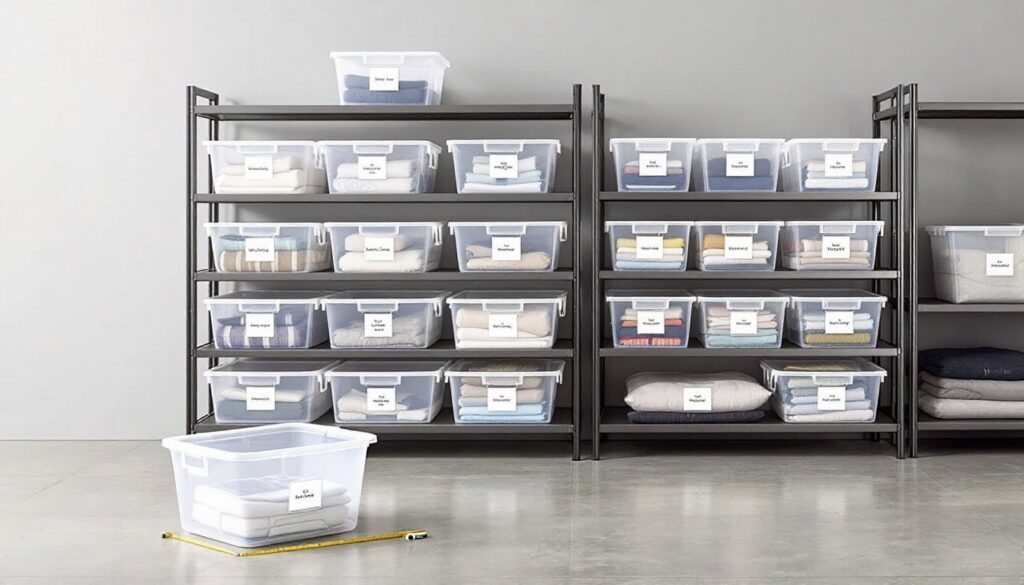
Label everything. A 30-second investment in a label maker or painter’s tape saves hours of searching later. Write what’s inside and, if possible, the date you stored it. For seasonal items, note “Christmas 2024” so you know when to pull it out.
Use vertical real estate. Stacking bins three or four high multiplies your storage capacity without consuming additional floor space. Ensure your shelving is rated for the load: a 13x15x13 plastic bin filled with books or tools easily weighs 30–40 pounds. Distribute weight evenly and anchor tall shelving units to studs with brackets.
Invest in shelf dividers or bins-in-bins for smaller items. A 13x15x13 bin holding miscellaneous office supplies or craft materials becomes chaos without internal organization. Use smaller containers, drawer organizers, or cardboard dividers to section the bin into zones.
Protect contents from light and temperature. Store delicate fabrics, photos, and documents away from direct sunlight, which fades colors and degrades materials. Attics and uninsulated garages experience extreme temperature swings: use plastic bins with tight-fitting lids rather than fabric, which breathes and allows condensation buildup.
Measure before you buy. Bring a tape measure to the store or carefully note your shelf dimensions, closet depth, and under-bed clearance. A 13x15x13 bin that theoretically fits may not slide in if your shelf has a 1-inch lip or if adjacent items create friction. Real Simple’s tested roundup of storage bins confirms that fit challenges often prevent people from actually using the bins they’ve purchased.
Rotate seasonal inventory sensibly. Store winter coats and boots in spring so they’re accessible in September or October. Keep holiday decorations in the most accessible location, not the back of the highest shelf. The bins you use frequently should sit at eye level or within arm’s reach: rare-use items can go higher or deeper.
Consider weight distribution in closets. Hanging rods weren’t designed to support bins stacked on top shelves. Use sturdy metal shelving or reinforce wooden shelves with additional support. If your closet feels flimsy, consult a professional before overloading it, a collapsed shelf is costly and dangerous.