
Whether you’re a casual crocheter or a serious knitter with a stash that rivals a yarn shop’s inventory, storage can become a real headache in a compact home. Yarn storage solutions don’t have to mean sacrificing style or taking over your entire bedroom. With smart planning and the right organizational approach, even the tiniest craft corner can hold everything you need, and keep it accessible. This guide walks you through practical, budget-friendly small space yarn storage solutions that work in apartments, bedrooms, closets, or any area where square footage is precious.
Table of Contents
ToggleKey Takeaways
- Wall-mounted floating shelves and pegboards maximize small space yarn storage without consuming floor space, with floating shelves costing $20–40 and pegboards offering flexible, reconfigurable organization.
- Multi-functional storage ottomans and benches provide seating while hiding yarn in labeled bins inside, making them ideal for apartments or bedrooms where space is limited.
- Rolling utility carts and ladder shelving organize yarn vertically in tight corners and visible areas, allowing quick color identification without digging through closed containers.
- Clear plastic bins with labels—including fiber content and weight information—beat opaque storage for fast yarn identification and prevent accidentally purchasing duplicates.
- Climate-controlled interior storage paired with cedar blocks or silica gel packets protects yarn from moth damage and humidity that can cause mildew in basements or garages.
- Under-bed rolling containers and dresser drawer dividers transform hidden spaces into efficient small space yarn storage, keeping 12–15 skeins organized and accessible in minimal footprint.
Wall-Mounted Storage Systems
Floating Shelves and Pegboards
Wall space is your best friend when floor real estate is limited. Floating shelves put yarn at eye level without eating into your walking space, and they’re straightforward to install if you hit the studs. A standard 24-inch floating shelf rated for 30–50 pounds can hold a lot of yarn: larger skeins packed tightly might reach that limit faster than you’d expect.
For installation, locate the wall studs with a stud finder (a good one costs $15–25 and saves countless mistakes), then mount the shelf brackets using lag bolts or wood screws rated for the weight. If studs don’t line up where you want them, toggle bolts or heavy-duty drywall anchors work, but they’re not quite as bombproof, save those for lighter loads.
Pegboards offer flexibility that beats permanent shelving. Screw a sheet of ½-inch pegboard directly into studs, then add hooks, bins, and small shelves as needed. You can reorganize without cutting drywall or patching holes. A 4-foot by 2-foot pegboard costs $20–40, and hooks run a few dollars each. This system shines for folks who like to shuffle their setup seasonally or who share craft space.
Color and finish matter here, glossy paint makes pegboards easier to clean, and neutral tones keep them from screaming “craft room” if they’re in a living area. Mount pegboards at least 36 inches above furniture below them so you’re not bumping your head when reaching for yarn.
Compact Furniture Solutions
Multi-Functional Ottomans and Benches
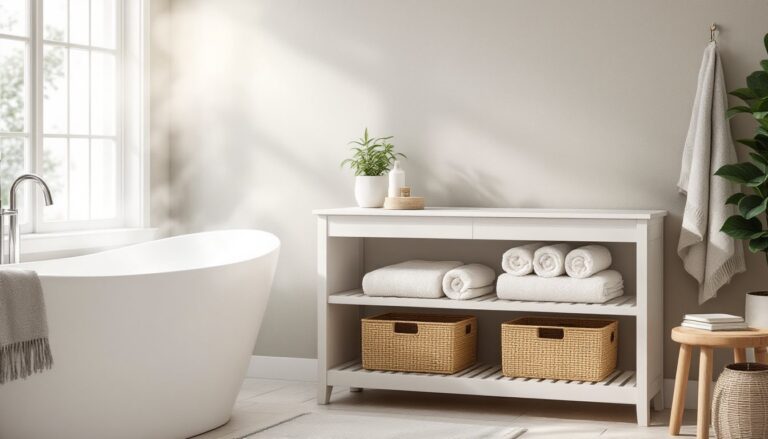
Storage ottomans and benches pull double duty: they give your feet somewhere to rest while holding yarn underneath. Look for models with hinged lids or removable tops so access is simple. Dimensions matter, a 16-by-20-inch ottoman fits snugly in tight corners and works under a window without blocking light.
Real-world dimensions: Most upholstered ottomans run 12–20 inches tall, which means they tuck under side tables or sit at the foot of a bed without overwhelming the space visually. A bench seat 36–48 inches long can line a bedroom wall and hold yarn sorted by color or weight in labeled bins inside.
When choosing a piece, check the weight rating. If you’re packing tight bundles of bulky yarn or stacking multiple containers, a frame rated for 200–300 pounds is more stable than budget models. Wooden frames beat particle board for long-term durability, especially in humid craft rooms where moisture makes cheap materials swell or warp.
This approach works brilliantly paired with storage containers that fit inside the ottoman, creating a nested system. You get the comfort of a seating piece, the organization of bins, and nobody sees the yarn chaos when friends visit.
Vertical Organization Hacks
Rolling Carts and Ladder Shelving
A rolling cart (also called a utility cart or kitchen cart) isn’t just for kitchens. Three- or four-tier metal carts, typically 27–32 inches tall and 15–20 inches wide, fit between furniture or in closet corners. Wheels let you roll the entire unit out when you need it and tuck it away when you don’t. Steel carts run $40–80 and last years with minimal fuss.
Organize each tier by yarn type: bulky at the bottom, fingering weight on top. Add small metal or plastic baskets (about $5–10 each) to group colors or projects together. The open shelves make it easy to spot the exact shade you’re hunting for without digging through opaque bins.
Ladder shelving is another vertical workhorse. A 5-tier wooden ladder shelf stands around 60 inches tall but takes up only 20 inches of floor space, perfect for corners or beside a chair. Wood ladder shelves run $80–150: metal versions are pricier but sturdier under heavy loads. Load yarn by color gradients top to bottom for a display that looks intentional rather than crammed.
Ladder shelves work well in visible spots because they can look decorator-perfect with yarn as the decor. Pair them with coordinating space-saving furniture to anchor a craft zone without it dominating the room. Make sure the base is stable, a wobbly ladder shelf stacked with yarn is an accident waiting to happen, especially around kids or pets.
Container and Drawer Systems
Drawers and closed containers keep dust off yarn and hide clutter, critical if your craft space doubles as a bedroom or living area. Shallow plastic drawers (4–6 inches deep) work better for yarn than tall ones because you can see everything at a glance without excavating.
Clear plastic bins ($3–8 each) beat opaque ones for quick identification. Label the front with a permanent marker or print small labels, include fiber content and weight so you grab the right yarn for a project. Standard shoe-box-sized bins hold 3–4 skeins of worsted weight yarn depending on how tightly wound they are.
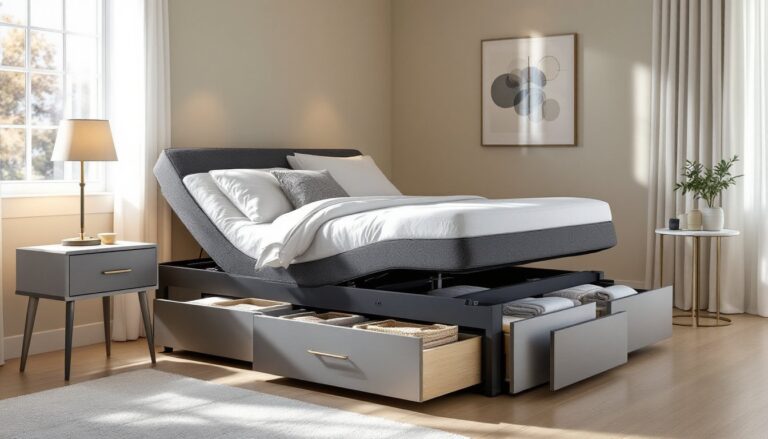
Under-bed storage is a goldmine in small spaces. A low-profile rolling bed storage container (usually 4–6 inches tall) slides under almost any bed frame and keeps yarn safe from dust and light damage. Moth damage is real in yarn storage, so pair containers with cedar blocks or lavender sachets, no pesticides needed.
Drawer dividers (even DIY cardboard versions) prevent yarn chaos inside cabinets or dresser drawers. A standard dresser drawer (32–36 inches wide) can hold 12–15 skeins divided by color or weight. This works beautifully if you’re short on wall or floor space, yarn sits hidden until you need it.
For the most organized system, label each container and keep a photo inventory on your phone. Storage bins designed for craft supplies sometimes include label slots already built in. Check dimensions before buying: many decorative storage bins marketed for “crafts” are shallow and won’t stack efficiently.
Consider climate where you store yarn. Basements and garages can be humid, which invites moths and mildew. A climate-controlled closet or interior room is safer long-term. If moisture is an issue, add silica gel packets or a small dehumidifier to your storage area. The upfront cost of a tub or two of desiccant beats replacing damaged yarn later.
Experts at Martha Stewart and The Spruce Crafts consistently highlight color-coded and labeled storage as the secret to maintaining craft supplies long-term. These trusted sources emphasize that visibility and accessibility reduce waste, you’re less likely to buy yarn you already own if you can actually see what’s in storage.