Vinyl records have made a genuine comeback, and if you’re building a collection, you’ve already figured out that casual stacking doesn’t cut it. Unlike streaming files, records demand thoughtful storage, they’re physical objects that warp, skip, and degrade when exposed to heat, humidity, and poor handling. Whether you’re sitting on 20 rare pressings or 500+ albums, the storage method you choose directly affects sound quality, playback lifespan, and how often you’ll actually spin them. This guide walks you through vinyl storage solutions that work for tight apartments and sprawling basements, with honest talk about what’s worth the investment and what’s pure marketing hype.
Table of Contents
ToggleKey Takeaways
- Proper vinyl record storage solutions preserve sound quality and extend playback lifespan by protecting records from warping, dust, and temperature fluctuations.
- Maintain humidity between 35–50% and steady temperatures around 65–70°F to prevent degradation and keep your collection in playable condition for decades.
- Wall-mounted shelves require heavy-duty brackets secured into wall studs rated for 150+ pounds per shelf, while freestanding cabinets offer a renter-friendly alternative.
- Budget-friendly vinyl storage options like wooden crates, recycled bookshelves with dividers, or DIY builds can cost under $100 and work as effectively as expensive furniture.
- Store records upright in climate-controlled spaces away from direct sunlight, heaters, and AC vents to avoid warping and preserve resale value.
- Investing in proper storage now—even imperfect solutions—beats leaving records exposed and prevents irreversible damage within 10 years.
Why Proper Vinyl Storage Matters for Sound Quality and Longevity
Records aren’t like books, they live through physical contact every time you play them. The stylus rides in the groove, and if your vinyl warps from heat or humidity swings, that groove becomes misaligned. Skips, pops, and distortion follow. Dust, UV exposure, and temperature fluctuations also accelerate degradation, turning a collectible pressing into background noise over a decade or two.
Proper storage keeps records upright (never stacked flat), in a climate-controlled space, and away from direct sunlight. Humidity between 35–50% and steady temperatures around 65–70°F are the sweet spot. A well-stored collection maintains resale value, sounds crisp on future listens, and justifies the effort you invested hunting down originals. Casual collectors might ignore this: serious ones won’t. This isn’t overcautious, it’s the difference between records lasting 50 years and them becoming unplayable in 10.
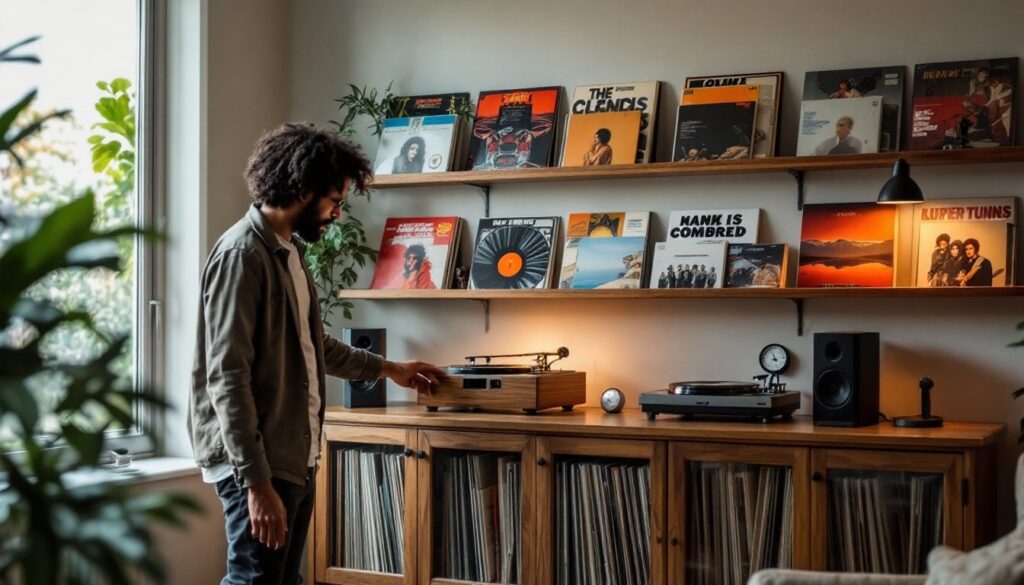
Wall-Mounted Display Shelves and Floating Storage Options
Choosing the Right Shelving Materials and Weight Capacity
Wall-mounted shelves are the space-saver’s answer, but they require honest math before installation. A single vinyl album weighs roughly 0.5–0.7 pounds, so 100 records top out around 50–70 pounds. That weight adds up fast in concentrated loads, especially on drywall-only walls.
Use solid wood shelves (1.5-inch nominal thickness, actual 1.25 inches) or metal-frame shelving rated for 150+ pounds per shelf. Install heavy-duty brackets into wall studs, never rely on drywall anchors alone for vinyl loads. Studs sit 16 or 24 inches on center: locate them with a stud finder. Brackets should sit 16–24 inches apart along the stud line.
A floating shelf design looks sleek but demands precision. Conceal a steel rod or solid wood support that bolts into wall studs. DIYers can follow free DIY furniture plans from established makers to see exact joinery and fastener sizing. Keep shelf depth to 10–12 inches, enough for records standing upright with 1–2 inches of clearance, preventing warping from compression.
Shelving height matters too: place them between waist and eye level for daily access without stretching or bending awkwardly. Space shelves 10–11 inches apart (vertical) to fit albums comfortably.
Freestanding Record Cabinets and Standalone Storage Units
Evaluating Space, Style, and Budget Considerations
Freestanding cabinets sidestep wall-mounting headaches and suit renters or those wary of drywall patches. Real-world options break down into three categories:
Mid-Range Furniture (Budget: $300–$800). IKEA’s KALLAX or similar engineered-wood shelving holds 100–200 albums in a compact footprint. Not museum-grade, but stable and modular. Pair it with adjustable shelving dividers to keep albums upright and organized.
Statement Cabinets (Budget: $800–$2,500). Vintage media cabinets (teak, walnut, or oak from the 1970s–1990s) offer authentic style and solid construction. Craigslist, Facebook Marketplace, and specialty furniture resellers stock these. Inspect for veneer damage, loose joinery, and working hardware. A solid wood cabinet breathes better than particle board, reducing moisture trapping.
Custom DIY Cabinets (Budget: $400–$1,500+). Woodworkers familiar with basic cabinet joinery can build plywood boxes with adjustable shelf pins and door frames. Archive Storage Solutions: plans from established carpenters provide measured drawings, cutting lists, and assembly guidance. You’ll need a miter saw, pocket hole jig, and finish materials (primer, paint, or stain), but the payoff is a cabinet tuned exactly to your space and aesthetic.
Budget and lifestyle matter as much as capacity. Renters benefit from modular freestanding units. Homeowners committing to a collection for 20+ years gain from building or investing in solid-wood furniture that’ll outlast trends.
Climate Control and Environmental Protection for Your Collection
Heat and humidity are vinyl’s enemies. In summer, an uninsulated attic or garage can hit 100°F+, causing records to warp within weeks. In winter, dry heating drops humidity below 30%, making vinyl brittle and prone to cracking at the edges.
If storing in a basement, use a dehumidifier (target 40–50% humidity) and monitor with an inexpensive hygrometer. Avoid basements below water-table level or prone to seasonal seepage, records exposed to pooling water are lost causes. Insulated closets in climate-controlled living spaces (bedrooms, hallways) beat basements and attics hands down.
For high-value collections, a dedicated storage cabinet with passive silica-gel packets or an active climate-control device ($50–$200) maintains stable conditions. Keep records away from windows (UV aging), heaters, and AC vents (temperature swings). Store sleeves separately from records if you’re concerned about off-gassing from old cardboard or printing inks.
Long Term Storage Solutions: align with vinyl’s needs: cool, dry, dark, and stable. This isn’t paranoia, it’s the baseline for any collection over 50 albums.
Budget-Friendly DIY Storage Ideas for Record Collectors
Tight budget? Start simple. Wooden crates (12–16 inches deep, 24 inches wide) from hardware stores cost $10–$20 each and stack stably. Line them with cardboard dividers to separate albums. They’re not permanent, but they’re honest, moveable, and don’t destroy drywall.
Rebar and wood shelves work for the skilled: weld or bolt rebar to a wall frame, then rest solid-wood shelves on the rods. This hybrid approach avoids shelf sagging under weight and costs less than commercial floating-shelf systems. Requires welding experience or a friendly metal worker.
Recycled bookshelves, especially solid wood, adapt well with minor modifications. Add vertical dividers using half-inch plywood strips (easy to cut with a circular saw) glued and screwed perpendicular to shelves. This prevents albums from toppling while keeping horizontal space tight.
Simple step-by-step instructions exist on Instructables and other maker platforms for milk-crate shelving, pallet-based racks, and PVC-frame designs. None are furniture-show worthy, but they work and cost under $100 to build.
Don’t let budget paralyze you. A properly organized collection in a $50 crate beats an expensive shelf crammed with warped records. Store upright, keep the room cool and dry, and revisit your collection often. As your collection grows, upgrade the storage, don’t let the space constrain your passion.
Make Your Storage Choice Today
Vinyl record storage doesn’t require luxury. It demands upright positioning, climate stability, and accessibility. Wall shelves suit display-focused collectors in stable homes, while freestanding cabinets offer flexibility and portability. DIY builds let you nail the exact aesthetic and layout. The key is starting now, even imperfect storage beats leaving records exposed on a nightstand. Pick the method that fits your space, budget, and collection size, and commit. Your future listening sessions will thank you.