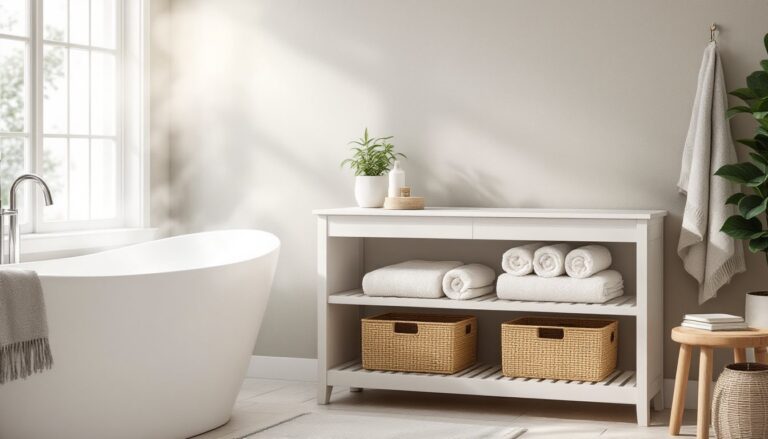
Bathroom storage is one of the easiest wins in home organization, and your door is prime real estate. Whether you’re dealing with a cramped powder room or just want to reclaim cabinet space, bathroom door storage solutions tackle clutter without eating into square footage. From over-the-door racks to magnetic organizers and custom shelving, there are practical options for nearly every bathroom layout and skill level. This guide walks through the best approaches, DIY projects, and installation tricks to help you maximize that often-overlooked vertical space.
Table of Contents
ToggleKey Takeaways
- Bathroom door storage solves clutter without consuming floor space, offering straightforward installation on existing door frames without requiring drilling into studs or tile.
- Over-the-door organizers, magnetic strips, and wall-mounted shelves are the fastest solutions, with metal or stainless-steel options proving most durable in humid bathroom environments.
- DIY door storage projects using exterior-grade pegboard or wooden frames with canvas pouches provide custom-fit solutions completed in under an hour with basic tools.
- Proper preparation—cleaning surfaces, using moisture-rated fasteners, and testing adhesives—ensures long-term durability and prevents sagging or weakening from bathroom humidity.
- Organizing by category and placing frequently used items at eye level maximizes functionality while reducing daily friction and minimizing overstuffing mistakes.
- Renters can leverage tension rods, command strips, and adhesive-backed solutions to achieve bathroom door storage without landlord approval or permanent damage.
Why Bathroom Door Storage Works So Well
Your bathroom door is a vertical resource sitting idle most of the day. Unlike under-sink cabinets or shelf corners, it doesn’t compete with daily plumbing access or create moisture-trapping dead zones. Door storage keeps towels, grooming supplies, and cleaning products within arm’s reach without cluttering countertops.
The door also solves a common DIY challenge: installation is straightforward, and mistakes don’t require drywall repair or stud-finder work. Most over-the-door solutions hang from the frame molding itself, so no drilling into tile or studs required. Even renters can use command strips and tension rods without landlord drama.
Moisture and ventilation matter in bathrooms, though. Bathrooms with poor exhaust or steam buildup can damage certain storage materials. That’s why we’ll focus on options rated for humid environments, plastic, stainless steel, and sealed wood rather than bare particleboard or untreated cardboard.
Over-The-Door Organizers and Racks
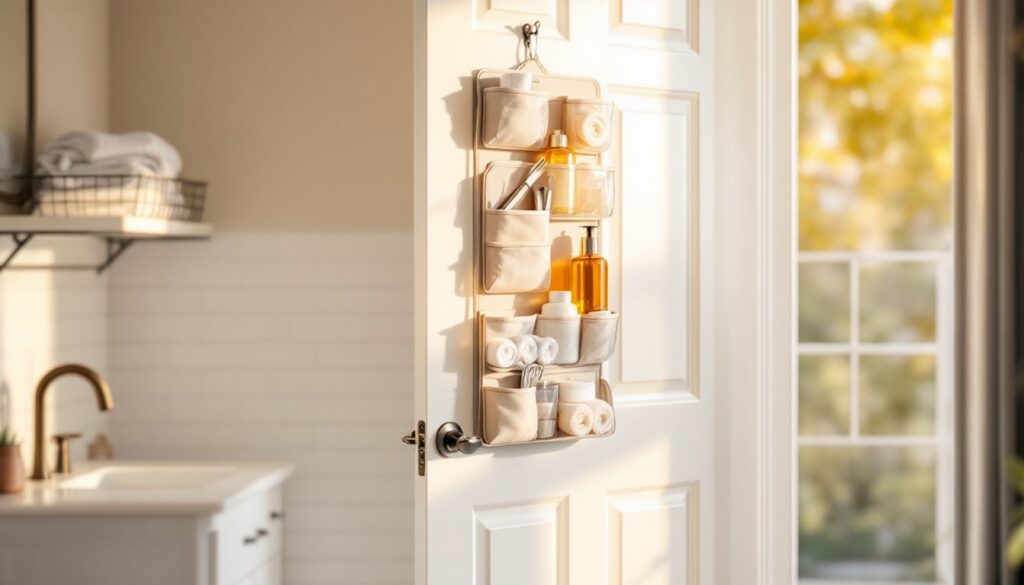
Over-the-door organizers remain the fastest route to instant storage. These metal or plastic units hang on the existing door frame without fasteners, and they’re available in dozens of configurations: shoe pockets, towel bars, hooks, or compartmented panels. Most support 15–30 pounds when distributed evenly, enough for rolled towels, cleaning supplies, or travel-size toiletries.
Metal racks (usually steel or aluminum) last longest in humid bathrooms and resist warping. Plastic organizers are lighter and cheaper but may crack after years of expansion and contraction from temperature swings. Check the product specs, quality units specify maximum weight per hook and note whether they’re rated for bathroom humidity.
When choosing, consider your door clearance. If the door swings into a tight space or opens fully into a hallway, a wide organizer might catch a shoulder or block a corner. Measure the door width and account for the unit’s depth when hung, typically 2–4 inches.
One trade-off: over-the-door racks can nudge the door slightly outward, changing the clearance gap by an inch or two. On a bathroom door that already sits tight, this might create a draft or minor misalignment. Test-fit before committing, or hang it on the interior side of the door to minimize visibility.
Magnetic Storage and Wall-Mounted Options
Magnetic strips and shallow shelves offer an alternative when over-the-door space is limited or you want a cleaner look. Magnetic organizers work brilliantly for metal grooming tools, bobby pins, and tweezers, no compartments needed. Mount a stainless-steel or powder-coated strip at arm height using a level and wall anchors rated for tile or drywall, depending on your bathroom surface.
Wall-mounted shelving, even a simple 12-inch floating shelf, pulls double duty beside or above the toilet. Since these involve drilling, always locate studs with a stud finder before driving fasteners into drywall. Bathroom walls often hide plumbing or electrical lines behind tile, so a stud finder with AC detection helps avoid accidents. Floating shelves rated for 25–50 pounds handle towel rolls, small baskets, and decorative items.
For renters or temporary solutions, tension rods can create makeshift shelves between studs or mounted brackets. They won’t support heavy loads, but they’re ideal for lightweight storage and cost $10–25 each. You can also use shower storage solutions concepts (wall-mounted caddies, recessed niches) if your bathroom layout allows, these examples often apply to other vertical spaces too.
If your door has frosted glass or a mirror, avoid heavy-duty organizers that obstruct the view or catch light awkwardly. Magnetic strips on an adjacent wall often fit the aesthetic better.
DIY Door Storage Projects You Can Build
Want a custom-fit solution? Building your own door organizer is approachable for anyone comfortable with basic carpentry or assembly. A simple wooden frame with fabric pockets (similar to shoe organizers) clips or screws onto the door frame in under an hour. Use 1×2 lumber for the frame, pre-drill holes to avoid splitting, and attach canvas pouches with wood screws. Finish with polyurethane or exterior paint to resist moisture.
Another option is a pegboard organizer mounted on the bathroom door using the frame hanger approach. Use exterior-grade pegboard (moisture-resistant) rather than standard hardboard, which swells and warps in humidity. Mount it with spacers (½-inch wood shims work) to allow air circulation behind the board, reducing moisture pockets. Add adjustable hooks and baskets for flexibility.
If you’re building for a rental or prefer a tool-free approach, tension rods can create a tower of horizontal shelves against the door. Hang them from the door frame using adhesive-backed brackets, arrange wire baskets on the rods, and you’ve got tiered storage without fasteners.
Materials and Tools You’ll Need:
• 1×2 lumber (if building a frame)
• Wood screws (1¼-inch) or exterior-grade fasteners
• Polyurethane or bathroom-rated paint
• Drill-driver with bits
• Level
• Stud finder (if mounting to wall beside door)
• Canvas, pegboard, or metal baskets (depending on design)
• Sandpaper (120–150 grit) for finishing edges
Installation Tips for Maximum Durability
Prep surfaces before attaching anything. Wipe down the door frame with a degreaser or mild soap solution, dust and film weaken adhesives and fasteners. Allow 24 hours dry time before hanging heavy loads.
Use the right fastener for your frame type. Wood-frame doors take wood screws or lag bolts: metal frames need sheet-metal screws. Pre-drill every hole to prevent splitting, especially with hardwoods.
When using command strips or adhesive hangers, test them first on a inconspicuous spot. Bathroom humidity can reduce adhesive grip over time, so check installations every few months and replace strips if they start to sag.
For wall-mounted shelves, always locate studs and anchor directly into them if possible. If you must anchor to drywall alone, use heavy-duty toggle bolts rated for the shelf’s weight plus the items you’ll store. A 30-pound shelf with 40 pounds of towels needs 70+ pound-rated anchors.
Leave a 2–3 inch gap between the top of your storage and the ceiling or any overhead fixtures, this prevents moisture buildup and makes cleaning easier. Basement storage ideas often highlight similar spacing principles, which apply to any enclosed storage space.
Styling and Organization Best Practices
Storage without strategy is just clutter arranged vertically. Group items by category: grooming supplies in one zone, cleaning products in another, and linens on a separate shelf. This makes finding things faster and reduces the temptation to overstuff.
Use clear containers or open bins for daily-use items so you can see what you need without opening doors. Opaque containers work for seasonal or overflow stock, nobody needs to see the backup toilet paper roll. IKEA’s Lidan door-mounted storage exemplifies how tiered compartments can sort small items efficiently.
Label everything, especially if multiple people share the bathroom. Simple label makers ($15–30) beat handwritten tags that smudge from moisture. Laminated labels last longer in humid spaces.
Keep your most-used items at eye level and arm’s reach. Toothbrushes, deodorant, and daily medications belong on the middle shelves. Heavy or occasional-use items go lower or higher. This reduces daily friction and minimizes the chance of knocking things over.
Weigh items before hanging, a tall stack of rolled towels feels light but adds up fast. Distribute weight evenly across multiple hooks or shelves rather than loading one spot. If your organizer sags after a few weeks, it’s overloaded.
For design inspiration and organization hacks, browse Houzz and Real Simple, which showcase hundreds of bathroom storage ideas and walk through common mistakes. These sites also help you visualize colors and materials before committing to a purchase.
Conclusion
Bathroom door storage isn’t glamorous, but it’s one of the most practical upgrades you can make without hiring a contractor or breaking your budget. Start with an over-the-door organizer to test what works, then expand to wall-mounted shelves or DIY projects once you know your needs. The key is matching the solution to your bathroom’s moisture level, available space, and your willingness to drill holes. With the right approach, your bathroom door transforms from a utilitarian barrier into a hardworking storage asset.