Energy storage isn’t just for big solar farms anymore. Homeowners across the country are installing battery systems to store electricity from solar panels, reduce grid dependence, and cut utility bills. If you’ve considered adding renewable energy to your home, or just want more control over when and how you use power, understanding energy storage is the missing piece. This guide breaks down commercial energy storage solutions adapted for residential use, walks you through your options, and shows you what to consider before making the investment.
Table of Contents
ToggleKey Takeaways
- Commercial energy storage solutions adapted for residential use enable homeowners to store 10–15 kWh of electricity, providing hours of power during outages and maximizing the return on solar investments.
- Lithium-ion batteries are the market leader for residential systems, offering 90% efficiency and 10–20 year lifespans, while lead-acid and emerging technologies like sodium-ion present budget or sustainability alternatives with different trade-offs.
- Time-of-use arbitrage through energy storage can reduce grid electricity costs by 20–40% when you charge during off-peak hours and discharge during expensive peak hours.
- Total installed costs typically range from $12,000–$25,000, with payback timelines of 7–15 years depending on utility rates and location, significantly improved by federal tax credits covering 30% of system costs.
- Professional installation by a certified electrician is essential for safety, code compliance (UL 9540 and NEC Article 706), and warranty protection; maintenance is minimal for lithium-ion systems with proper monitoring software.
What Are Commercial Energy Storage Solutions?
Energy storage systems are essentially large rechargeable batteries that capture electricity, usually from solar panels or the grid during low-demand hours, and release it when you need it most. Think of them as a reservoir for power. Instead of sending excess solar energy back to the grid (and often getting paid less than you’d pay to buy it back), a home battery stores that power for evening use or cloudy days.
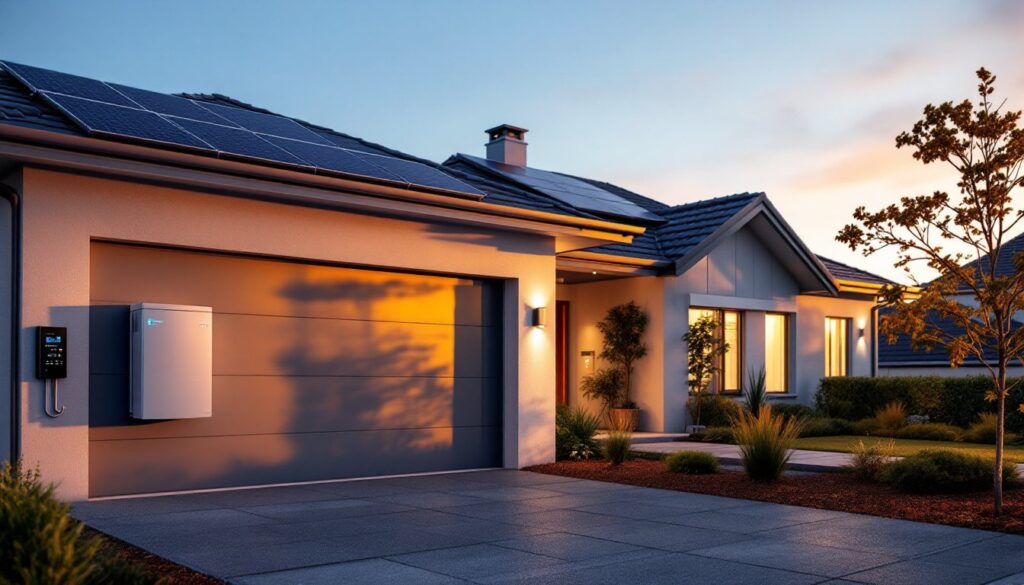
Commercial energy storage solutions refer to systems originally designed for grid stabilization, peak-shaving, and demand management at scale. Many of these technologies have been adapted for homes. A residential system might store 10–15 kilowatt-hours (kWh) of energy, enough to power an average home for several hours without sunlight or grid connection. The system includes the battery itself, an inverter (which converts stored DC power into usable AC power), a charge controller, and monitoring software. Recent advances in lithium-ion chemistry and software have made these systems more affordable and reliable than they were five years ago, which is why homeowners are taking a closer look.
Types of Energy Storage Systems for Residential Applications
Your main options come down to battery chemistry and system architecture. Each has trade-offs in cost, lifespan, performance, and maintenance.
Lithium-Ion Battery Systems
Lithium-ion batteries dominate the residential market today, and for good reason. They’re compact, efficient (round-trip efficiency around 90%), and have long cycle lives (8,000–15,000 cycles, or 10–20 years). Brands like Tesla Powerwall and LG Chem RESU lead the pack, but options from companies like Generac, Enphase, and others have entered the space. A typical residential lithium-ion unit runs $8,000–$15,000 before installation, and you can stack multiple units if you need more capacity.
Lithium-ion systems work well paired with solar panels. They’re also safer than older chemistries, modern packs include battery management systems that prevent overcharging and thermal runaway. But, lithium-ion does come with environmental and recycling considerations. Some homeowners balk at the upfront cost, though warranties (often 10 years) and federal tax credits can offset that. [Water storage solutions][https://hearthrootspulse.com/water-storage-solutions/] and other residential storage systems share similar efficiency principles.
Lead-Acid and Alternative Battery Technologies
Lead-acid batteries, the same chemistry in your car, are cheaper upfront ($3,000–$8,000) but have shorter lifespans (5–10 years) and lower efficiency (around 70%). They’re also heavier and take up more physical space. Lead-acid works if you’re on a tight budget or have a small off-grid cabin, but it’s not ideal for most homes seeking long-term payback.
Flow batteries (like vanadium redox) and sodium-ion systems are emerging alternatives. Flow batteries can cycle thousands of times and decouple power from energy, meaning you can store more without oversizing the hardware. Sodium-ion is non-toxic and uses abundant materials, making it attractive for sustainability, though round-trip efficiency lags lithium-ion slightly. These options are newer and less available but watch them: they may offer sweet spots between cost and longevity in the next few years. [Automated storage solutions][https://hearthrootspulse.com/automated-storage-solutions/] often incorporate these newer technologies in commercial deployments that homeowners can learn from.
Benefits of Installing Energy Storage at Home
Energy storage unlocks several tangible wins for homeowners.
Energy independence and resilience tops the list. With a battery, you can run critical loads, refrigerator, water heater, lights, during a grid outage. Add solar, and you’re generating and storing your own power. That’s peace of mind, especially in regions prone to blackouts or severe weather.
Time-of-use arbitrage is a hidden benefit. In many utility regions, electricity costs more during peak hours (typically 4 p.m.–9 p.m.). A battery lets you charge during cheap, off-peak hours and discharge during expensive peak hours, effectively buying low and selling high. Some homeowners see 20–40% reductions in grid electricity costs by shifting usage smartly.
Solar self-consumption increases your return on solar investment. Without storage, excess midday solar generation goes back to the grid at a low rate. With storage, you capture that power and use it in the evening when rates and demand are higher. Federal tax credits (currently 30% of system cost in the U.S.) sweeten the economics further.
Reduced demand charges matter if you have a business or a large home. Utilities often charge based on your peak power draw, not just total usage. A battery can flatten peak demand, lowering that charge. For context, [fuel storage solutions][https://hearthrootspulse.com/fuel-storage-solutions/] share this principle, storing resources when they’re abundant to reduce peak-time stress. Environmental benefits are real too: storing renewable energy avoids fossil fuel generation and lowers grid strain during peak hours.
Key Considerations Before Choosing a System
Before you call an installer, nail down these questions.
System size matters. Ask yourself: How much daily energy do you use? Are you pairing this with solar, or just cycling off-peak grid power? A typical home uses 20–30 kWh daily: a 10 kWh battery covers 1/3 to 1/2 of that, enough for evening hours or a few hours of outage coverage. Solar helps you right-size: if your solar produces 15 kWh on a sunny day, a 10–12 kWh battery captures most of it. Oversizing is expensive: undersizing leaves you frustrated.
Installation complexity varies widely. Grid-connected systems (the most common setup) tie into your electrical panel and inverter. Some installers can handle this as a straightforward retrofit: others flag your home’s electrical service, grounding, or circuit capacity as needing upgrades. Off-grid systems are more complex: you’ll need a combiner box, multiple charge controllers, and sometimes a generator. If your home requires panel upgrades or new wiring runs, budget an extra $2,000–$5,000 and expect permitting. Many jurisdictions require licensed electricians for battery installation: DIY is not an option here.
Cost and payback. Total installed cost (battery + inverter + labor + permits) usually runs $12,000–$25,000 for a residential system. Payback timelines depend on your utility rates, solar generation, and how much you can shift usage. In high-rate areas (California, Hawaii, Northeast), payback might be 7–10 years: in lower-rate regions, 15+ years. Federal tax credits help, but state incentives vary, so check your local programs.
Warranty and degradation. Look for 10-year warranties on capacity (e.g., “90% capacity at 10 years”). Lithium-ion degrades slowly, around 2% annually. Some manufacturers offer cycle warranties (e.g., “usable for 6,000 cycles”) rather than time. Understand what’s covered: battery? inverter? labor? Extended warranties can add $1,000–$3,000 but are worth considering.
Safety and codes. Energy storage systems must comply with UL 9540 (battery energy storage safety standard) and NEC (National Electrical Code) Article 706 in the U.S. Local building departments may have additional rules. A reputable installer will know these: if they don’t mention them, that’s a red flag. Fire safety is real: lithium-ion can catch fire if damaged or overcharged, which is why certified systems with integrated protection are essential.
Monitoring and software. Modern systems come with smartphone apps to track charging, discharging, and energy flows in real time. Some integrate with smart thermostats or car chargers for automated optimization. Weigh the complexity: do you want set-it-and-forget-it, or hands-on control? [Archive storage solutions][https://hearthrootspulse.com/archive-storage-solutions/] employ similar data tracking principles, showing how real-time visibility improves resource management across industries.
Installation and Maintenance Tips
Installation should not be a DIY project. Electrical work on high-voltage systems risks electrocution, fire, and code violations. Hire a licensed electrician and installer certified by the battery manufacturer. That said, understanding the process helps you spot corners being cut.
Before installation, your electrician will assess your electrical panel’s capacity. Most homes have 100–200 amp service: modern batteries may need a sub-panel or circuit breaker space. Your installer will also locate the battery (garage, utility closet, or shed are common: avoid direct sunlight and extremes of heat/cold). Allow for ventilation and access for future maintenance. Permitting takes 2–6 weeks depending on jurisdiction: don’t skip it, it protects your insurance claim if something goes wrong.
Installation typically takes 1–3 days: mounting the battery, running conduit and wiring, installing the inverter, integrating with your solar system (if you have one), and testing. Your installer will program settings like charge/discharge schedules, peak-shave times, and backup priorities. They’ll also set up monitoring software so you can watch your system’s performance.
Maintenance is light. Lithium-ion systems need minimal upkeep. The battery management system handles most internal regulation. Every 2–3 years, visually inspect wiring for corrosion or loose connections, and check that ventilation isn’t blocked. If you have a backup generator, ensure it’s fueled and serviced per the manufacturer’s schedule. Modern inverters may need a firmware update every few years, the manufacturer or installer handles this remotely.
Performance optimization comes down to usage patterns. If your utility offers time-of-use rates, program your battery to charge during off-peak hours and discharge during peak hours. Some systems can learn your patterns automatically. If you have solar and a battery, prioritize storing solar energy for evening use rather than sending it to the grid. [Long-term storage solutions][https://hearthrootspulse.com/long-term-storage-solutions/] apply the same principles of deliberate placement and access planning. Resources like [Popular Mechanics][https://popularmechanics.com] offer hands-on guidance on integrating battery systems into existing home setups. Also check [Fine Homebuilding][https://finehomebuilding.com], which covers advanced energy integration in modern construction and retrofit projects. If aesthetics matter, [Dwell][https://dwell.com] showcases how leading residential projects incorporate storage seamlessly.
Troubleshooting basics: If your system isn’t charging, check that the battery isn’t in “protect” mode (cold weather or low voltage triggers this). If the inverter beeps or shows a fault code, consult the manual: most issues are minor (like a tripped breaker) and resolve themselves. Contact your installer if problems persist, warranty covers manufacturing defects.