Storage auctions have become a treasure hunt for savvy homeowners looking to stock their DIY projects, furnish rooms, and solve organization challenges, often at a fraction of retail cost. Whether you’re hunting for building materials, vintage furniture, or tools, storage auctions offer real value if you know how to navigate them. This guide walks you through what storage auctions are, how to find them in your area, and how to bid smart without getting caught up in auction fever.
Table of Contents
ToggleKey Takeaways
- Storage auctions let homeowners buy discounted materials, tools, and furniture from abandoned rental units, often at 40–50% of retail prices or less.
- Success with storage auction solutions requires setting a hard budget beforehand, inspecting units carefully for damage or quality, and avoiding emotional bidding decisions that lead to overspending.
- Platform resources like StorageTreasures.com, facility websites, and local buy-and-sell groups help you discover upcoming auctions in your area with advance notice for proper preview planning.
- Carefully evaluate what you see during preview—check for water damage, mold, good-quality visible items, and organized packing—to estimate true value before placing a bid.
- After winning, organize items into three categories (keep, donate, resell), test equipment, clean materials, and document purchases for potential tax deductions and resale opportunities.
- Negotiate opening bids on units with low interest before auctions start, confirm payment terms and removal deadlines with the facility, and factor in logistics costs like loading and storage fees into your final budget.
What Are Storage Auctions and Why Homeowners Should Care
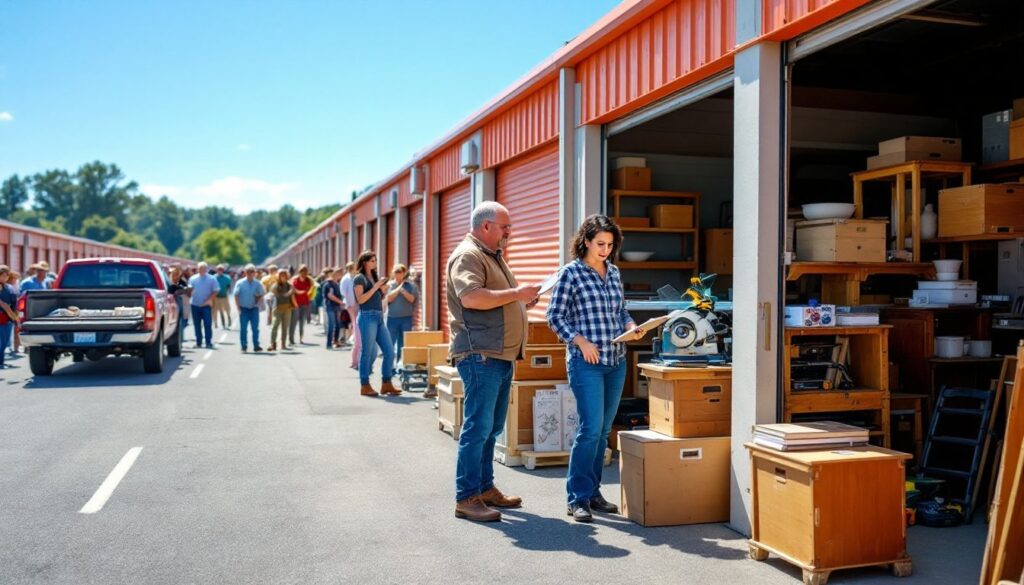
Storage auctions happen when renters fail to pay their monthly fees, and the facility sells the unit’s contents to recover unpaid rent. Most jurisdictions require the facility to advertise the auction, hold a brief preview period, and conduct the sale publicly. You’re bidding on the entire unit sight-unseen or with limited access, you might peek through the door for 10 minutes, but you can’t open boxes or test equipment. It’s part gamble, part opportunity. The catch: you typically buy the whole unit “as-is,” and you haul everything away yourself. No returns, no refunds. For homeowners, this means potential access to affordable materials, tools, furniture, and storage supplies without hitting the big-box retailer or paying delivery charges. The real win comes when you know what to look for and set a spending limit before the bidding starts.
The Benefits of Storage Auctions for DIY Projects and Home Organization
If you’re planning a renovation or redecorating, storage auctions can stock your DIY arsenal for far less than new. You’ll find hand tools, power tools, lumber, hardware, paints, tile, flooring samples, and lighting fixtures, many in unopened condition or barely used. Kitchen cabinets, shelving units, and organizational systems designed for long-term storage solutions often appear in auctions from people downsizing or relocating. Beyond materials, auctions are goldmines for homeowners building their tool collection. A $500 new miter saw might be found for $150 if someone abandoned a unit. You also sidestep shipping costs and packaging waste that retail adds to your final bill. For home organization, auctions yield bulk quantities of plastic bins, shelving, drawer organizers, and cabinet hardware at pennies on the dollar. Many units contain brand-name storage gear that would cost significantly more at a home center. The trade-off? You’re responsible for transport, inspection happens in real-time before bidding closes, and you have no quality guarantee.
How to Find Storage Auction Listings in Your Area
Several platforms list upcoming storage auctions nationwide. StorageTreasures.com and Auction.com aggregate facility listings and let you filter by location and date. Most local storage facilities (Public Storage, CubeSmart, Extra Space Storage, and independent operators) post their own auction schedules on their websites or advertise in local papers. Call facilities in your area directly, staff can give you the exact date, preview time, and terms. State laws vary: some require notice periods of 30 days, others less. Check your state’s attorney general’s office for lien sale statutes. Local newspaper classifieds and community bulletin boards sometimes list smaller, independent facility auctions that don’t appear online. Join local buy-and-sell groups on social media: many members tip off friends about upcoming auctions they’ve spotted. Set up saved searches on auction platforms so you receive email alerts for your zip code. The earlier you know about an auction, the more time you have to scout the units during the preview window and plan your budget.
Essential Tips for Winning Storage Auctions Without Overspending
The biggest mistake new auction bidders make is auction fever, getting emotionally invested and overpaying for a unit on a hunch. Set a hard budget before you arrive and stick to it. Calculate what you actually need, research the replacement cost of key items you spot, and bid only up to about 40–50% of that total. Remember: you’re buying the whole unit, and cleanup, hauling, and sorting takes time and labor.
Evaluating Units Before You Bid: What to Look For
During the preview, look for red flags: water damage, mold smell, pest evidence, or excessive odor. These aren’t always deal-breakers, but they mean extra cleanup cost and potential health hazards. Check unit seals, an intact lock and no signs of tampering mean the contents likely haven’t shifted or leaked. Peek at the front-facing items: if you see good-quality furniture or tools visible, odds are the rest is organized. If the unit is packed floor-to-ceiling with random junk piled against the door, the owner probably abandoned it quickly and quality is mixed. Open drawers and cabinet doors if access allows: check for duplicate items or bulk “filler” (old magazines, broken goods). Look for logos on boxes, recognizable brand names suggest valuable items. Be realistic: a unit packed with children’s toys and sports equipment may not overlap with your project needs. For retail storage solutions like shelving or display racks, inspect for bent frames, missing shelves, or rust. Take photos during preview if allowed, you’ll reference them later if you win. Most importantly, don’t bid on a unit just because it’s “cheap”: bid on it because it contains items you can actually use or resell.
Making Smart Offers and Negotiating Like a Pro
Auctions follow strict rules: bidding is competitive, and once the gavel drops or the online auction timer ends, the sale is final. But, some facilities allow negotiation before the auction starts, especially for units that didn’t attract much interest during preview. If a unit looks marginal, approach the auctioneer or facility manager and ask if they’ll consider an opening bid lower than the reserve. They’d rather sell at 30% below reserve than risk the unit being passed and having to store it longer. Be prepared with cash or a certified check, most auctions require deposit or full payment immediately. Ask about payment terms, loading access, and deadline for removal. Some facilities charge per day for storage after you win: others give you 24–48 hours free. A few facilities offer loading docks or equipment rental (dolly, hand truck) for a fee. These logistics costs add up, so factor them into your winning bid. Online auctions run on a timer, so bid strategically in the final seconds to avoid bidding wars. Don’t get drawn into competitive sniping: if a unit reaches your budget limit, let it go. There’s always another auction next month.
Transforming Your Auction Finds Into Practical Home Solutions
Once you’ve hauled your unit home, the real work begins: sorting, cleaning, and integrating items into your projects or home. Create three piles: items you’ll use, items to donate, and items to resell. Clean and inspect tools and equipment, test power tools if you have the electrical setup, replace batteries, and check for missing parts. Furniture may need refinishing or reupholstery: build costs into your project budget before committing to restoration. Materials like lumber or drywall should be stacked flat and stored in a dry spot before use. Unopened paint or stain should be stored cool and upright: old cans may have dried or separated, check before opening. Hardware and fasteners: sort by type and size, and store in labeled bins using drawer organizers from your haul. Inspiration and organization systems from automated storage solutions platforms can guide how you arrange your newly acquired storage items. Document what you found and photograph key items for resale if you decide to flip surplus inventory online. A portion of the lower-value items can cover your auction costs, turning the haul into a net gain. Many DIY blogs and home improvement resources like Real Simple offer sorting and organizational strategies once you understand what you have. Finally, keep detailed records of auction purchases for tax deductions if you’re using items for a rental property or business purpose, consult a tax professional on applicability.