Salem homeowners know the struggle: closets overflow, garages become dumping grounds, and kitchen cabinets teeter on the edge of chaos. Storage problems aren’t just annoying, they waste time, cost money, and make homes feel cramped. Whether you’re working with a compact apartment or an older Salem house with awkward nooks, smart storage solutions can reclaim your space and actually make your home function better. The good news? You don’t need to hire a contractor or spend a fortune. This guide walks you through practical, budget-friendly strategies to maximize storage in any room, using materials and techniques most homeowners can tackle themselves.
Table of Contents
ToggleKey Takeaways
- Storage solutions for Salem homes don’t require expensive contractors or built-ins—open shelving with basic lumber and metal brackets costs just $3–8 per linear foot and delivers the same functionality.
- Assess your actual storage needs by categorizing items by room and measuring dimensions before purchasing shelves, bins, or organizational systems.
- Vertical storage and wall space are underutilized real estate; floating shelves, pegboards, and corner units maximize capacity without consuming floor space in small or awkward rooms.
- Smart closet organization using double-rod hangers, shelf dividers, and vertical folding methods costs under $50 and instantly increases usable storage capacity.
- Label everything in cabinets, drawers, and bins to prevent lost items and ensure family members can locate and return items correctly.
- Seasonal rotation in closets and cabinets—storing off-season items in bins or spare spaces—frees daily-use areas and prevents long-term clutter accumulation in Salem homes.
Understanding Your Space: Where to Start With Storage Planning
Assessing Your Current Storage Needs
Before you buy a single shelf or bin, take an honest inventory of what you actually need to store. Walk through each room and ask: What items are essential? What’s seasonal? What’s just taking up space? Create a rough list organized by room and category, kitchen tools, seasonal decor, clothes, hobby supplies, etc. This step prevents the classic mistake of building storage for clutter you should’ve tossed.
Measure what you’re storing too. A collection of shoe boxes takes up different space than hanging coats. Knowing the actual dimensions, not just “a lot of stuff”, helps you choose the right storage type. Deep shelving works for stacked bins: narrow shelving suits books and small items. This basic audit saves frustration and money later.
Evaluating Room Layout and Available Space
Now look at the room itself. Where are the walls? Are they loadbearing? Check for studs using a basic stud finder (under $15) to know where you can safely mount shelves. Look at ceiling height, floor space, and areas that currently serve no purpose, corners, walls beside doorways, under stairs, or above existing furniture.
Climate matters in Salem. Damp basements need ventilation around stored items: attics can get hot. Moisture-sensitive items shouldn’t live in unfinished spaces without proper shelving or bins. Also note existing obstacles: radiators, outlets, windows, and door swing clearance. A shelf looks great until you realize it blocks the refrigerator from opening. Sketch a quick layout or snap photos to think through placement before committing to any installation.
Budget-Friendly Storage Options for Salem Homes
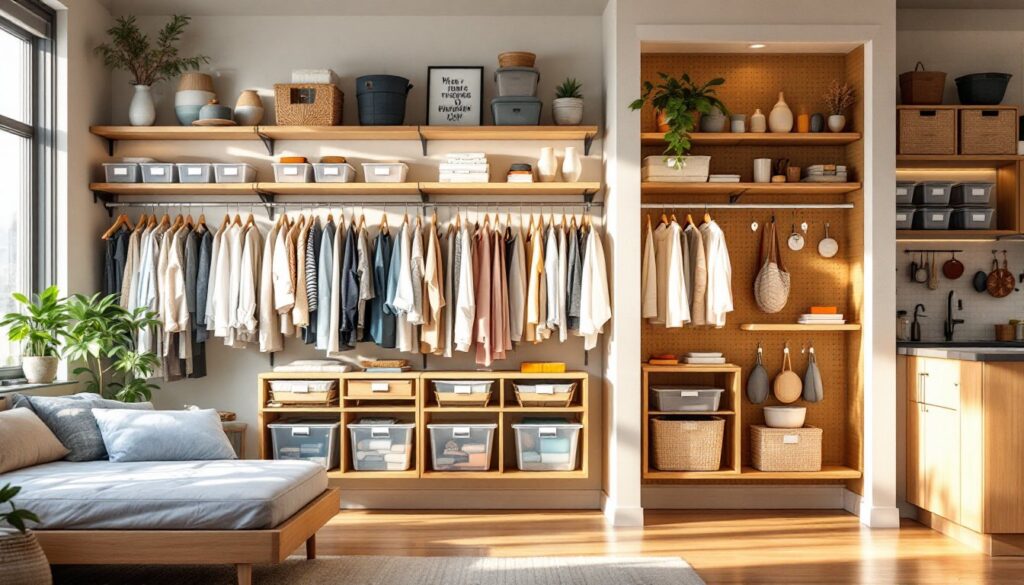
You don’t need expensive built-ins to solve storage. Many Salem homeowners start with open shelving, which costs $3–8 per linear foot in basic pine or plywood. Standard 1×12 or 2×12 lumber (actual dimensions are 0.75″ × 11.25″ or 1.5″ × 11.25″) spans 24–32 inches between supports without sagging. Pair it with metal shelf brackets ($5–15 each) bolted into studs, and you’ve got functional storage for a fraction of custom cabinet costs.
Storage bins and containers are workhorses. Clear plastic bins let you see contents without opening them, critical when you’re hunting something. Fabric bins hide clutter visually while staying accessible. A good plastic storage container (18–27 quart capacity) runs $4–8: fabric drawer organizers cost $2–4. Label everything. A label maker ($15–30) pays for itself in frustration avoided.
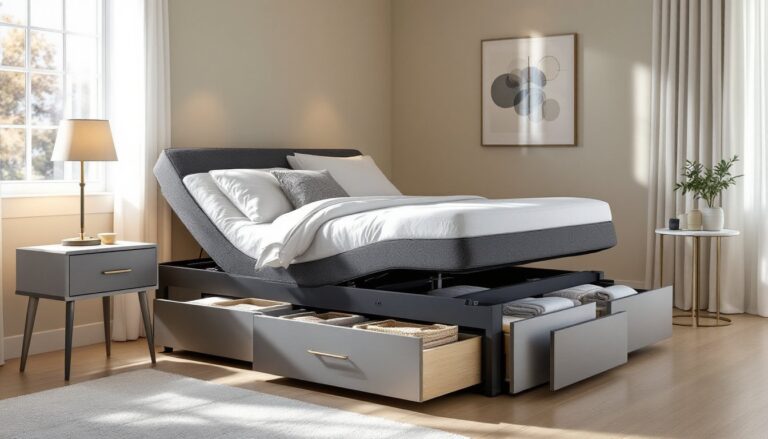
Under-bed storage is free square footage. Rolling bins on wheels slide out easily and keep seasonal items accessible. Wall-mounted hooks, bars, and pegboards ($2–50) multiply storage without eating floor space. Many DIYers create storage solutions for small bedrooms using these layered strategies, hooks for bags, shelves above the dresser, bins under the bed, turning tiny rooms into organized sanctuaries.
Closet rod dividers and shelf risers double shelf capacity. A basic riser ($10–25) lifts one shelf 12 inches, creating a new shelf space below. This costs way less than replacing the entire closet system.
Maximizing Vertical Storage and Wall Space
Vertical storage is the golden rule for small spaces. Walls are real estate you’re not using. Install floating shelves 16 inches on-center into studs (standard framing spacing in most homes). Lag bolts or toggle bolts rated for your load, not drywall anchors alone, prevent shelves from crashing down.
Here’s the math: A 1×10 shelf rated for 50 pounds per bracket can hold far more than most households store. Always check the bracket weight rating: it’s printed on the packaging. Two brackets handle 100 pounds if anchored properly.
Wall-mounted systems shine in kitchens and entryways. Pegboard is cheap ($15–40 per sheet) and infinitely adjustable. Hooks, baskets, and shelves clip on, then you rearrange as needs change. Many kitchens benefit from storage solutions for small kitchens using pegboard above counters for tools, cans, and gadgets. It’s visually busy but functional.
Ladder shelves and corner shelves fit awkward spaces. Corners are often wasted, a corner shelf unit ($30–60) or tall ladder shelf ($50–100) tucks in and stores surprisingly much. These work well for books, plants, or decorative items that ease visual clutter.
Wall-to-ceiling shelving maximizes capacity. Standard shelving supports and 1×12 lumber reaching near ceiling height create dramatic storage. Don’t pack the top shelf with heavy items: upper shelves suit lightweight seasonal decor or items accessed rarely.
Closet and Cabinet Organization Strategies
Closet organization doesn’t require a $2,000 system. Start with the basics: double-rod hangers that hang two garments in the space of one, cascading hangers for pants or scarves, and shelf dividers to prevent stacks from toppling. A hanging organizer with pockets (clear, so you can see contents) hangs on the rod and stores seasonal gear, belts, or undergarments. Total cost: under $50.
Fold and store strategically. Vertical folding (the KonMari method) means items stand upright in drawers, so you see everything without digging. This works for t-shirts, sweaters, and lightweight items. Heavier knits may need traditional folding to prevent stretching. Use drawer dividers, even DIY versions made from cardboard, to maintain sections.
Cabinet liners and pull-out shelves transform deep cabinets. A pull-out shelf insert ($20–60) slides on existing shelves and lets you access items at the back without reaching. Liners protect surfaces and make cleaning easier. In kitchens, pull-outs under the sink prevent items from disappearing into the void, no more mystery puddles under pipes.
Label everything inside cabinets too. Clear labels prevent “where’d that go?” moments and help family members put things back correctly. Use a label maker or print adhesive labels ($0.50–2 per sheet). For deep pantry shelves, stackable bins keep similar items grouped: baking supplies, canned goods, snacks. Transparency matters, opaque bins hide contents, defeating the purpose of good organization.
Seasonal rotation works for closets and cabinets. Store off-season clothes in bins, vacuum-seal bags, or a bedroom closet: rotate spring/summer and fall/winter items monthly. This frees active closet space and keeps current-season clothes front-and-center. Many homeowners discover they carry out long term storage solutions simply by adopting this rhythm, seasonal items migrate to the attic, basement, or spare room closet, freeing daily-use spaces.
Conclusion
Smart storage transforms Salem homes from chaotic to functional, and it doesn’t require hiring professionals or spending a fortune. Start by assessing what you store and where. Choose budget-friendly options: shelves, bins, hooks, and dividers do most of the work. Use vertical space ruthlessly, get organized inside closets and cabinets, and label everything. Real storage solutions are boring and practical, not Instagram-worthy. They work quietly, year after year, preventing the creep of clutter. Your future self, searching for something and actually finding it immediately, will thank you.