
In today’s fast-paced world, knowing basic life support (BLS) can be a lifesaver. Whether it’s a sudden medical emergency at home or in the workplace, having the skills to respond effectively can make all the difference. BLS classes equip individuals with essential techniques like CPR and the use of an AED, ensuring they’re prepared to act when it matters most.
Finding BLS classes nearby is easier than ever. Many community centers, hospitals, and training organizations offer courses tailored to different skill levels. These classes not only provide hands-on training but also instill confidence in participants, empowering them to handle emergencies calmly and efficiently. With so many options available, anyone can take the first step toward becoming a vital link in the chain of survival.
Understanding Basic Life Support
Basic Life Support (BLS) encompasses vital techniques and skills required to preserve life during severe medical emergencies. Mastering these skills can significantly improve outcomes for individuals experiencing critical situations.
What is Basic Life Support?
Basic Life Support involves a series of standardized actions aimed at sustaining life until advanced medical help arrives. Key components include Cardiopulmonary Resuscitation (CPR), which maintains blood circulation and oxygenation, and the use of an Automated External Defibrillator (AED) to correct life-threatening heart rhythms. These techniques apply to individuals of all ages, emphasizing the importance of recognizing emergencies and intervening promptly.
Importance of Basic Life Support Training
Training in Basic Life Support is essential for various reasons:
- Saves Lives: Immediate application of BLS measures can double or triple survival rates in cardiac arrest situations.
- Builds Confidence: Training equips individuals with the knowledge and skills necessary to act decisively during emergencies.
- Prepares for Various Situations: BLS training covers diverse scenarios including choking, breathing difficulties, and cardiac events, enabling responders to adapt to different emergencies.
- Promotes Community Safety: Increased awareness and training in BLS within communities foster an environment where individuals feel empowered to assist in emergencies.
- Enhances Professional Opportunities: Many careers in healthcare demand BLS certification, making it a valuable asset for job seekers.
Through structured training, individuals gain the capability to manage emergencies effectively, making Basic Life Support skills a critical component of personal and community safety.
Finding Basic Life Support Classes Near Me
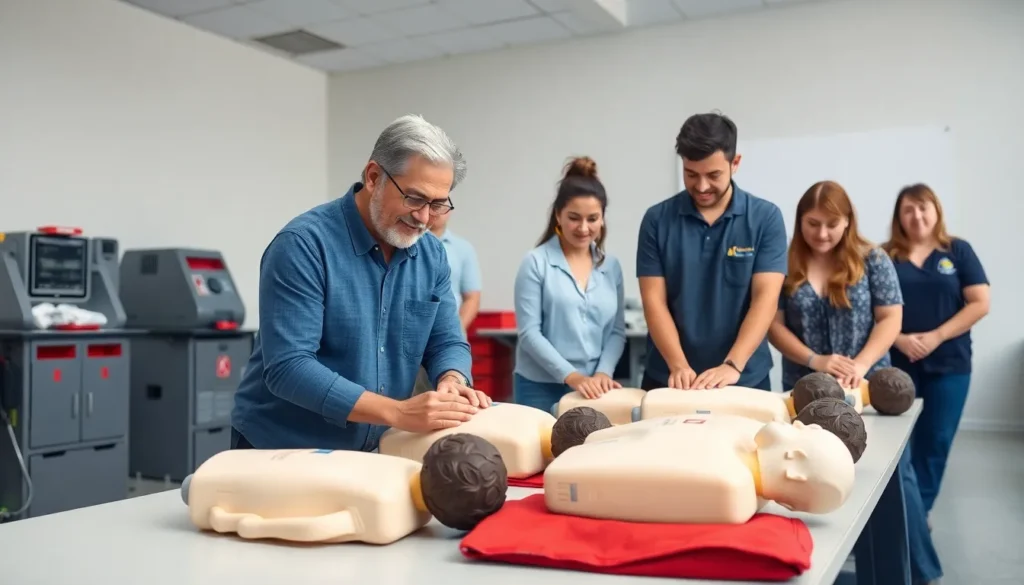
Discovering Basic Life Support classes nearby is essential for individuals looking to acquire life-saving skills. Several online and local resources facilitate this search effectively.
Online Resources for Finding Classes
Online platforms provide numerous options to locate BLS classes. Websites like the American Heart Association and Red Cross offer comprehensive directories of certified training centers. Users can filter results based on their location, class type, and certification level. Additionally, search engines enable quick access to reviews and ratings for local providers. Social media groups and community forums can also connect users with recommendations and experiences related to local BLS courses.
Local Community Resources
Local resources play a vital role in finding Basic Life Support classes. Community centers and nonprofit organizations often host BLS training sessions at low or no cost. Hospitals may offer courses to the public, enhancing community health and safety. Educational institutions, such as community colleges, typically have structured programs for BLS certification. Additionally, businesses in the healthcare sector might provide classes for their employees, ensuring a workforce well-prepared for emergencies. Networking with local health professionals can also yield valuable class suggestions.
What to Expect in a Basic Life Support Class
Basic Life Support (BLS) classes provide essential training for individuals looking to confidently respond to medical emergencies. Participants can expect a blend of theoretical knowledge and practical skills.
Course Content and Structure
Course content covers essential topics designed to equip participants with life-saving techniques. Training typically includes:
- CPR Techniques: Instruction on adult, child, and infant CPR.
- AED Usage: Comprehensive training on how to use an Automated External Defibrillator effectively.
- Choking Relief: Techniques for managing airway obstructions in various age groups.
- Emergency Protocols: Step-by-step guidelines for recognizing and responding to various medical emergencies.
Classes generally feature a mix of lectures, hands-on practice, and skill demonstrations to solidify understanding. Sessions follow established curriculum standards set by reputable organizations, ensuring that training aligns with current medical guidelines.
Certification and Skills Learned
Participants in BLS classes receive certification upon successful completion, which is often valid for two years. Skills learned include:
- Assessing Emergencies: Recognizing when immediate action is required and the appropriate response scenarios.
- Performing CPR: Executing chest compressions and rescue breaths correctly, ensuring effective circulation and oxygenation.
- Utilizing an AED: Understanding how to operate an AED, including pads placement and rhythm analysis.
- Responding to Choking: Implementing back blows and abdominal thrusts appropriately to clear airway obstructions.
Certification enhances professional qualifications, particularly for those in healthcare and related fields, showcasing preparedness to manage emergencies.
Benefits of Taking a Basic Life Support Class
Basic Life Support (BLS) classes offer vital advantages for both personal preparedness and professional growth. Participants gain essential skills that can make a crucial difference in emergencies.
Confidence in Emergency Situations
Confidence in emergency situations increases significantly after completing a BLS class. Participants learn hands-on techniques such as CPR and AED usage, which empower them to act decisively when faced with medical emergencies. As training provides familiarity with emergency protocols and hands-on practice, individuals feel equipped to handle crises. The ability to respond effectively can reduce anxiety in high-pressure situations, ultimately leading to better outcomes for those in need.
Potential Career Advantages
Potential career advantages accompany BLS certification, particularly in the healthcare field. Holding a valid BLS certification enhances an individual’s qualifications, making them more appealing to employers. Many healthcare professionals—such as nurses, doctors, and first responders—require BLS training as a prerequisite for their roles. Additionally, various industries, including education and public safety, value BLS certification, expanding job prospects. Investing time in a BLS class not only prepares individuals for emergencies but also enhances their professional credentials.
Knowing basic life support skills is essential for anyone looking to make a difference in emergency situations. By finding a BLS class nearby, individuals can equip themselves with life-saving techniques that boost confidence and preparedness. With a variety of training options available through local organizations and online resources, it’s easier than ever to get started.
Investing in BLS training not only enhances personal safety but also opens up professional opportunities, especially in healthcare. As more people gain these crucial skills, communities become safer and more resilient. Taking that first step toward learning BLS can truly empower individuals to act decisively when it matters most.