Teenagers often consider their bedrooms as more than just a place to sleep; it’s their personal kingdom, a creative haven, and sometimes even a secret lair. As they navigate the rollercoaster of adolescence, their bedrooms become a reflection of their evolving identities. So why settle for boring when they can have a space that screams “cool” while still being functional?
Overview of Bedrooms for Teens
Bedrooms for teens act as personal sanctuaries where they express their individuality. Spaces need to balance comfort and style, allowing for relaxation and creativity. Design elements, like colors and decor, reflect their tastes and interests.
Furniture selection plays a crucial role in the functionality of the space. Twin or full-size beds, desks for homework, and shelving units for storage are essential. Ergonomic seating enhances comfort during study sessions.
Teen bedrooms often incorporate elements that showcase hobbies or passions. Wall art, posters, or unique accessories personalize the room. This customization process helps affirm their identity during formative years.
Lighting also influences the atmosphere. Dimmer switches, string lights, and desk lamps create cozy settings. These choices encourage both relaxation and focus.
Teen bedrooms accommodate multiple activities beyond sleeping. Spaces often evolve to include study areas, relaxation zones, or entertainment setups. This flexibility meets their changing needs as they grow.
The layout must promote organization while allowing easy movement. Arranging furniture to maximize floor space supports both study and leisure.
Ultimately, bedrooms serve as reflections of teens’ personalities while addressing their practical requirements. By considering these factors, parents can create spaces that resonate with their child and foster a sense of belonging.
Key Features of Teen Bedrooms
Teen bedrooms blend functionality and style, serving as vital spaces for expression and comfort. Key features enhance both the aesthetic appeal and practical use, allowing them to thrive during formative years.
Functional Furniture
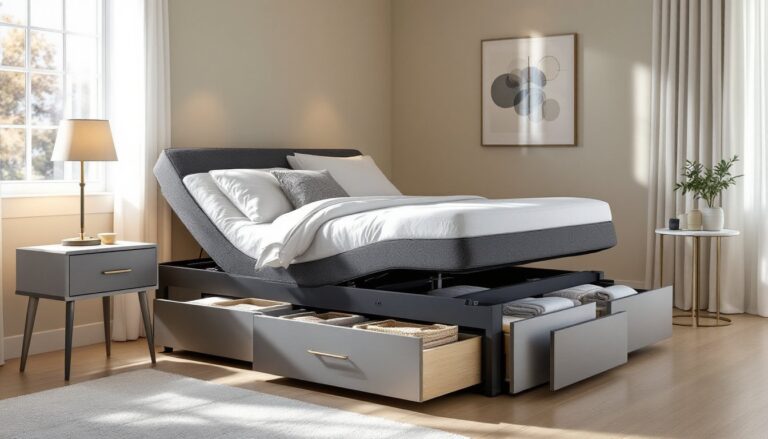
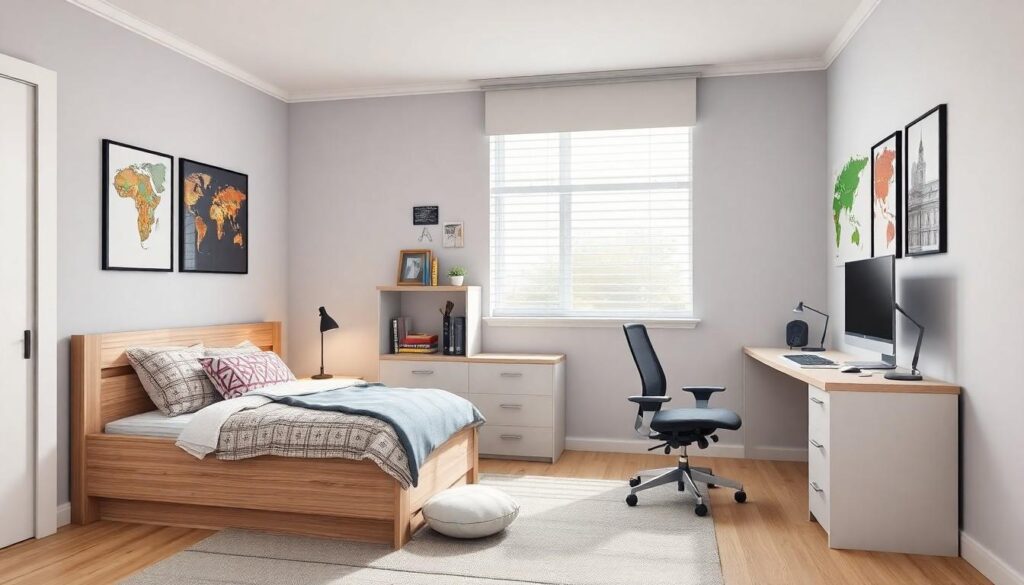
Choosing furniture that meets various needs maximizes the utility of teen bedrooms. Beds with built-in storage save space while offering comfortable sleeping arrangements. Desks that accommodate study habits promote productivity through ample workspace. Ergonomic chairs provide support during homework sessions, aiding posture and focus. The addition of multi-functional pieces, like ottomans that can double as storage, keeps the room organized. Strong, durable materials ensure that the furniture withstands daily use, making it a practical investment.
Personalization Options
Personalization options allow teens to truly make their bedrooms their own. Incorporating unique wall art reflects individual interests and passions, creating a vibrant environment. Bedding choices in favorite colors or patterns enhance comfort while showcasing personal style. Accessories such as throw pillows, rugs, and photos create a warm atmosphere that encourages relaxation. Utilizing flexible decor, such as removable wall decals, keeps the space fresh and adaptable to evolving tastes. These customization opportunities provide a sense of ownership and identity in the bedroom.
Popular Themes for Teen Bedrooms
Teen bedrooms embrace a variety of themes that resonate with personal style. These themes reflect individuality while creating functional, stylish spaces.
Modern Minimalist
Modern minimalist design focuses on simplicity and functionality. This theme incorporates clean lines and a neutral color palette, promoting a sense of calm. Furniture often includes sleek beds, streamlined desks, and open shelving to maintain organization. Less is more—decor simply enhances the space without clutter, using a few well-placed accessories for personality. Natural light plays a critical role, so large windows or light curtains are common choices. Teens often enjoy this aesthetic, as it creates a serene environment perfect for studying and relaxation.
Bohemian Chic
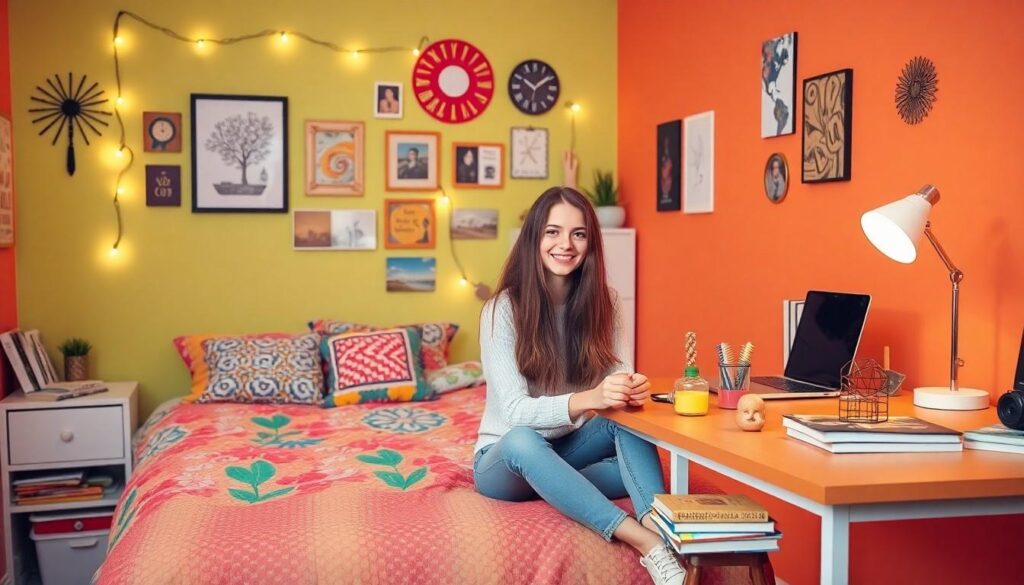
Bohemian chic invites creativity and self-expression through vibrant colors and textures. Layers of textiles, such as patterned rugs and eclectic throw pillows, introduce warmth and comfort. Wall decor often features artwork, dreamcatchers, and photos that reflect personal interests. Plants play an essential role, adding life and freshness to the space. Mismatched furniture, like vintage chairs and handmade tables, creates an inviting atmosphere. This theme encourages personalization, allowing teens to curate a space that tells their unique story.
Sports-Inspired
A sports-inspired bedroom showcases team spirit and athletic passion. Bold colors often represent favorite teams, with wall decals and posters highlighting athletes or sports events. Furniture choices include functional items like storage for equipment and a study area for academic challenges. Accessories might feature sports memorabilia, trophies, or themed bedding to reinforce the athletic vibe. Lighting can emphasize individuality, with sporty lamps or string lights enhancing the energetic atmosphere. Spaces catered to hobbies make this theme a dynamic environment for enthusiastic teens.
Color Schemes for Teen Bedrooms
Color choice plays a crucial role in designing a teen’s bedroom. The right palette not only enhances aesthetics but also influences mood and creativity.
Bold vs. Subtle Palettes
Bold palettes energize a space with vibrant colors like electric blue, bright yellow, and rich red. These hues can inspire enthusiasm and self-expression. Subtle palettes, on the other hand, promote calmness with soft shades such as pastel pink, light gray, and mint green. Each approach fosters distinct atmospheres, allowing teens to curate their personal sanctuary. Blending accents from both categories can yield a dynamic yet harmonious environment. Experimentation with various combinations can illuminate personalities and preferences.
The Psychological Effects of Color
Color affects emotions and behaviors significantly. Warm colors, including red and orange, often evoke excitement and energy. In contrast, cool colors, like blue and green, typically promote tranquility and focus. Teal can enhance creativity, making it suitable for study areas. Shades of purple often inspire innovation and self-reflection. Understanding these psychological effects helps in selecting colors that support particular activities within the room. The right choice nurtures environments conducive to relaxation, study, or creativity.
Creating a bedroom for teens goes beyond mere aesthetics; it’s about crafting a space that resonates with their identity and supports their growth. By thoughtfully selecting furniture and decor that reflect their interests and personalities, parents can help foster an environment that balances comfort and functionality.
Incorporating elements like personalized wall art and adaptable color schemes allows teens to express themselves freely. A well-designed bedroom not only serves as a sanctuary for relaxation but also as a hub for creativity and productivity. Ultimately, these spaces become vital in nurturing their evolving identities during this transformative stage of life.