
Imagine sinking into your cozy bed after a long day, only to be serenaded by the symphony of outside chaos. From honking cars to that neighbor who thinks they’re the next pop star, a peaceful sleep can feel like a distant dream. Bedroom soundproofing isn’t just a luxury; it’s a necessity for anyone who values their beauty sleep—or just wants to binge-watch their favorite show in blissful silence.
What Is Bedroom Soundproofing?
Bedroom soundproofing involves techniques and materials designed to block or reduce noise from outside sources. This process minimizes disturbances from traffic, loud neighbors, or even household noise. Various solutions are available, including soundproofing curtains, carpets, and wall insulation. Properly executed, it enhances comfort and promotes better sleep quality.
Effective soundproofing starts with identifying sound entry points. Windows often provide an easy access for noise; therefore, using double-glazed windows can significantly reduce sound. Sealing gaps around doors and windows adds another layer of protection. Acoustic panels can absorb sound and improve room acoustics, making the environment quieter.
Distance can also play a role in soundproofing. Increasing the space between the noise source and the bedroom decreases noise transmission. Materials like mass-loaded vinyl provide effective sound barriers when applied to walls or ceilings.
Furniture placement can influence sound distribution as well. Strategically positioning large furniture against shared walls dampens sound reflections. Thick rugs not only enhance aesthetics but also act as sound absorbers.
Budget considerations affect the choice of soundproofing methods. Simple DIY solutions like applying weatherstripping cost less, while professional installations may require a more substantial investment. Selection of materials should align with soundproofing goals, ensuring an effective strategy.
By implementing these techniques, one can create a more peaceful bedroom environment conducive to relaxation and uninterrupted sleep.
Importance Of Bedroom Soundproofing
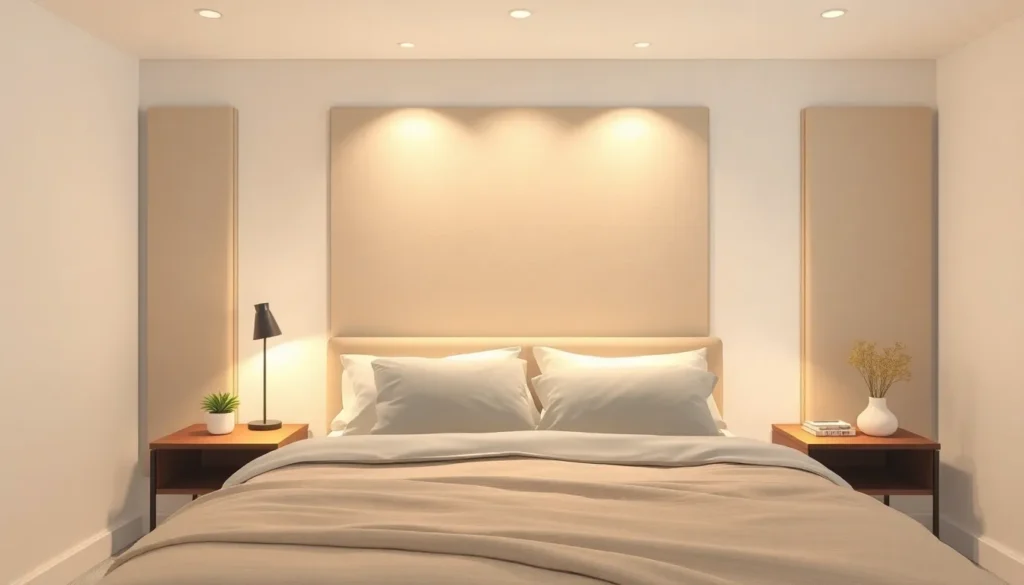
Soundproofing a bedroom significantly enhances the living experience by minimizing disruptive noises. Prioritizing a quiet environment is crucial for individuals seeking restful sleep.
Benefits For Sleep Quality
Improved sleep quality often results from reduced noise levels. A soundproofed bedroom allows deeper sleep by blocking out disturbances like traffic or loud neighbors. Studies show that consistent, uninterrupted sleep leads to better overall health. Bedrooms equipped with soundproofing measures create serene spaces that enhance relaxation. Individuals who sleep well experience increased focus and productivity during the day. Consequently, strategic sound-dampening techniques encourage healthy sleep cycles, making restful nights a reality.
Impact On Mental Health
Mental health benefits arise from a well-soundproofed bedroom. Individuals exposed to constant noise may experience heightened stress and anxiety. A tranquil bedroom environment fosters a sense of calm, allowing for mental rejuvenation. Moreover, sleep disturbances due to noise can affect mood and cognitive function. Creating an isolated space enables individuals to escape external stressors effectively. A peaceful atmosphere supports emotional well-being, promoting a balanced lifestyle. Thus, investing in bedroom soundproofing can lead to significant improvements in mental health and overall quality of life.
Methods Of Soundproofing A Bedroom
Effective soundproofing methods enhance relaxation and sleep quality. Various options exist to suit different needs and budgets.
Soundproofing Materials
Choosing the right materials plays a vital role in soundproofing. Acoustic panels absorb sound and minimize echoes, improving sound quality within the room. Heavy curtains can block unwanted noise from outside, particularly when closed. Additionally, carpets and area rugs dampen sound, making them useful for absorbing footstep noise from above. Mass-loaded vinyl acts as a sound barrier, ideal for walls and ceilings that need extra protection. Soundproofing foam can reduce noise levels and improve acoustics, especially in smaller spaces. These materials combined create a more peaceful environment.
Architectural Modifications
Making simple architectural changes can significantly enhance soundproofing. Installing double-glazed windows prevents outdoor noise from entering, creating a calm atmosphere. Sealing gaps around doors and windows with weatherstripping or caulk eliminates sound entry points. Adding insulation to walls and ceilings provides substantial noise reduction, especially for shared walls. Another modification includes placing large furniture against shared walls, which helps absorb sound. Incorporating sound-proofing doors blocks noise more effectively than standard doors. Such changes contribute to a quieter sleeping environment.
DIY Soundproofing Techniques
Effective soundproofing techniques can significantly enhance a bedroom’s tranquility. Implementing various methods at home allows individuals to tailor their soundproofing approach.
Foam Panels
Foam panels serve as an effective solution for sound absorption. Acoustic foam absorbs sound waves, reducing echo within the room. Installing these panels on walls can minimize external noise entering from adjoining spaces. They come in various shapes and sizes, allowing for creative placement. For optimal results, positioning the foam in corners and high-traffic wall areas enhances noise reduction. Many find that using foam panels not only improves acoustics but also adds aesthetic appeal to the bedroom.
Weatherstripping Windows
Weatherstripping windows effectively seals gaps that allow noise infiltration. Choosing high-quality weatherstripping materials prevents air leaks and noise from disrupting sleep. Applying this technique involves determining the type of weatherstripping suitable for each window. Various products are available, including adhesive strips and foam tape. It’s important to clean window frames before installation, ensuring a secure fit. Regular checks and maintenance of weatherstripping can help maintain an effective soundproof barrier.
Professional Soundproofing Solutions
Professional soundproofing offers tailored approaches designed to maximize peace in the bedroom. Experts assess each room’s specific needs, ensuring optimal sound isolation. Acoustic insulation is often installed within walls, floors, and ceilings to add an extra layer of protection against noise.
Specialized materials, such as mass-loaded vinyl, effectively block sound transmission. Installation of double-glazed windows significantly reduces external noise, proving beneficial in urban environments. Soundproof doors can serve as an important barrier, particularly for shared living spaces or proximity to noise sources.
Applying sound-absorbing panels on walls enhances acoustic quality while adding aesthetic appeal. Professionals often suggest strategically placing these panels in areas where sound bounces most, such as corners or behind furniture. Heavy-duty curtains, tailored for specific dimensions, can also complement soundproofing efforts when hung properly.
Sealing all gaps in windows and doors is crucial for achieving desired soundproofing levels. Weatherstripping utilizes high-quality materials to ensure a snug fit, and maintenance of this barrier is essential. Homeowners might consider hiring professionals for comprehensive assessments to identify sound entry points effectively.
When addressing construction modifications, many professionals recommend installing soundproof drywall, which incorporates sound-reducing materials. This type of drywall provides substantial sound dampening and is often used in new builds or renovations. Ultimately, engaging professionals for soundproofing solutions optimizes bedroom tranquility, leading to restful sleep and improved well-being.
Investing in bedroom soundproofing is a crucial step toward creating a peaceful sanctuary. By implementing effective techniques and materials, individuals can significantly reduce disruptive noise and enhance their sleep quality. Whether choosing DIY solutions or professional installations, the benefits extend beyond just improved rest.
A soundproofed bedroom fosters emotional well-being and contributes to a balanced lifestyle. With a tranquil environment, one can experience heightened focus and productivity during the day. Ultimately, prioritizing soundproofing not only supports better sleep but also enhances overall health and happiness.