
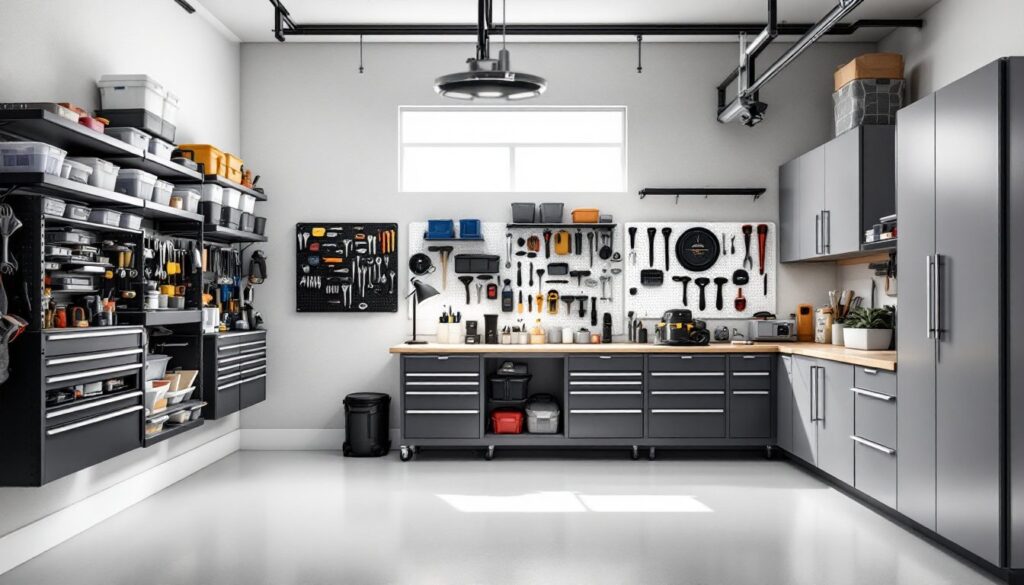
A cluttered garage isn’t just an eyesore, it’s a safety hazard and a productivity killer. When tools, sports equipment, and seasonal items pile up without a system, you waste time hunting for what you need and risk damaging valuable gear. The good news: organizing your garage doesn’t require a complete overhaul or a contractor’s budget. With the right garage storage solutions, you can reclaim floor space, protect your belongings, and actually find things when you need them. Whether you’re working with a compact 200-square-foot space or a sprawling three-car garage, there’s a strategy that fits. This guide walks through five proven approaches to maximize your garage’s vertical real estate and get your tools and equipment in order.
Table of Contents
ToggleKey Takeaways
- The best garage storage solutions combine wall-mounted shelving, overhead racks, and modular cabinets to maximize vertical space without consuming valuable floor area.
- Proper installation is critical: anchor wall shelving directly to studs with heavy-duty fasteners, and bolt overhead racks to ceiling joists to safely support tools and equipment.
- Pegboards and magnetic strips work best for frequently-used hand tools, while heavier power tools require sturdy wall shelving or dedicated cabinet systems.
- Climate and garage size dictate your storage strategy—humid regions need rust-resistant materials, and smaller garages benefit from vertical solutions like French cleats and ceiling racks.
- Start with a single wall installation, test your system for a month, then expand your storage approach as you learn what works for your workflow.
Wall-Mounted Shelving and Pegboards
Wall-mounted shelving is the backbone of most functional garages. Unlike freestanding units, shelves bolted directly to the wall don’t consume floor space and can support serious weight when installed properly.
Installing shelving correctly starts with locating the studs. Use a stud finder to mark vertical framing members (typically spaced 16 or 24 inches apart), then anchor mounting brackets directly into them with lag bolts or heavy-duty fasteners rated for your load. Drywall anchors alone won’t cut it for tools and equipment.
For depth, 12-inch shelves work for hand tools and light items, while 18- or 24-inch depths suit power tools and larger gear. Metal shelving (powder-coated steel) resists rust and dents better than particleboard, though it costs more upfront. Open shelving makes tools visible and accessible, no digging through cabinets, but dust settles on items, so consider wire shelves that shed debris.
Pegboards remain a classic partner to shelving. A ¼-inch pegboard mounted to studs with spacers (3/8-inch behind the board) allows hook placement flexibility. Hooks, clips, and holders snap into holes for hanging everything from wrenches to cords. Paint your pegboard a contrasting color so hanging items stand out, and label the pegboard behind each tool’s spot so you catch it immediately when something’s missing.
The trade-off: pegboards work best for frequently-used hand tools and small items. Heavy power drills or sanders sag hooks over time, so save shelving for those.
Overhead Storage Racks and Ceiling Solutions
Ceiling space is wasted real estate in most garages. Overhead racks transform that void into storage for seasonal gear, bulk supplies, and items you access a few times a year.
Ceiling joists (the horizontal framing members above your head) run parallel to the walls, typically on 16-inch or 24-inch centers. Bolt-down rack systems attach directly to these joists with heavy-duty hardware, never rely on drywall or ceiling tile. A properly installed ceiling rack can hold 200 to 500 pounds depending on design and joist condition. Measure your joist depth: most residential garages have 2×6 or 2×8 joists. Standard racks work with either dimension, but confirm before ordering.
Options include:
• Pulley-down racks lower and raise stored items with a rope-and-pulley system, ideal for lighter loads you access occasionally.
• Fixed platforms bolt permanently in place for seasonal bins, holiday decorations, or spare lumber that you rarely touch.
• Hoist systems suit kayaks, bicycles, or large power tools, using pulleys to winch items up and lock them overhead.
Before installation, check your garage door clearance. A 8-foot garage ceiling with a 7-foot door opening leaves only 12 inches above the door frame, too tight for most overhead storage. Measure twice, and if space is marginal, skip overhead racks and use wall storage instead.
Safety note: Overhead racks demand secure fastening. A dropped load can damage a car or injure someone below. Use only rated hardware and never exceed the manufacturer’s weight limit.
Modular Cabinet Systems
Wall-mounted or freestanding modular cabinets offer enclosed storage that protects tools from dust and gives your garage a finished look. Units range from basic metal lockers to custom wood or composite systems.
Garage cabinetry comes in three tiers:
• Budget metal cabinets (under $300 per unit) are light, rust-prone, and fine for dry climates or short-term storage. Doors often feel flimsy and hinges wear fast.
• Mid-range epoxy-coated steel or composite cabinets ($400–$1,000 per unit) survive moisture and rough use. They’re heavier and built to last a decade or more.
• Custom wood or premium composite systems ($1,500+) look polished and can be tailored to your wall. Proper finishing (paint or epoxy) prevents moisture damage.
For most DIYers, mid-range modular cabinets strike the balance. Brands offer units in standard widths (24, 36, 48 inches) so you mix and match to fill your wall. Stack them horizontally or vertically. Wall-mounted units save floor space: freestanding cabinets are easier to install if you’re renting or want flexibility to reconfigure.
Before buying, measure your wall dimensions and account for outlet locations, lighting, and door swings. A cabinet blocking access is worthless storage. If you’re building custom units, free DIY furniture plans can guide your design and cut lists.
Drawers and pull-out bins inside cabinets boost usability. Sliding shelves let you reach items at the back without emptying the whole shelf. Soft-close hinges add cost but reduce noise and extend hinge life.
Vertical Tool Storage and Wall Organizers
Vertical space is your secret weapon in smaller garages. Tool racks, wall strips, and specialty holders let you store dozens of tools on a 4×8-foot wall section.
French cleats, interlocking strips of wood or metal, mount to studs and accept hooks, shelves, or custom holders. Cut two pieces of 1×4 lumber at a 45-degree angle along the length. Screw one to the wall studs, the other to the back of whatever you’re hanging. The beveled edges interlock so weight distributes along the entire stud. A single cleat pair easily handles a tool board weighted with drill bits, saws, and clamps.
Magnetic strips grab metal tools (wrenches, screwdrivers, chisels) and keep them inches from your workbench. Mount strips horizontally on the wall or edge of a cart. They’re cheap and remarkably strong, a single strip holds 10–15 pounds.
Rail systems (aluminum or steel U-channel) anchor to studs and accept hooks, clips, and baskets that slide along the rail. You rearrange the setup as your inventory changes. Popular for organizing cords, hoses, and cable.
Pocket organizers (fabric or vinyl panels hung on pegboard) tuck small items, nails, screws, fasteners, drill bits, into labeled pockets. They keep clutter off shelves and prevent tiny items from getting lost.
Label everything. A label maker costs $15–30 and saves hours of searching. Label shelves, tool locations, and storage bin contents. When family or helpers return tools, they know where they belong.
Multi-Purpose Storage Benches and Workstations
A workbench isn’t just for building, it’s a functional storage centerpiece. Storage benches combine a work surface with drawers, shelves, and cabinets underneath for a workspace that doubles as inventory management.
If you have an existing bench, add storage underneath with modular bins or rolling carts. Pneumatic or electric height-adjustable benches ($800–$2,500) let you switch between sitting tasks (detailed assembly) and standing work (power tool use). A stationary bench ($300–$1,000) takes up less floor space and doesn’t require power.
Storage under the bench keeps frequently-used consumables (screws, sandpaper, stain, primers) within arm’s reach. Deep drawers store larger items: shallow trays organize small hardware. A rolling cart slides under when not needed, freeing floor space.
Workbench materials matter. Hardwood (oak, maple) costs more but handles vises, clamping, and tool pressure without flex. Particleboard or MDF benches work for lighter assembly tasks but deflect under heavy load and soak up moisture. If building your own, workshop setup guides offer proven designs and material specs.
Choosing the Right Solution for Your Space
Your garage layout dictates the best mix. A single-car garage with limited wall space benefits from vertical solutions: pegboards, magnetic strips, and overhead racks maximize every inch. A two-car garage with one vehicle frees one bay for a full shelving system and workbench. A three-car garage accommodates a combination, dedicated wall systems plus overhead storage plus a modular cabinet bank.
Start by auditing what you store. Hand tools, power tools, and seasonal bins need different protection and access. Keep frequently-used items at eye level or on top shelves. Heavier items (spare paint, lumber, bags of soil) go on sturdy lower shelves. Lightweight seasonal goods (holiday decorations, patio furniture) suit overhead racks.
Consider climate. Unheated garages in humid regions see condensation and rust, powder-coated steel and sealed wood hold up better than bare metal. Insulation and ventilation minimize moisture problems that shorten tool and material life.
Start small. Install shelving or pegboard on one wall, live with it for a month, then expand. You’ll learn what works for your workflow before committing budget to a full overhaul. Storage containers for small items and long-term storage solutions also complement wall and overhead systems. Popular sources and DIY communities often share photos of real garage setups that inspire practical modifications to your own.
Conclusion
Organizing a garage is achievable without gutting your budget or hiring professionals. Wall-mounted shelving, overhead racks, modular cabinets, vertical tool holders, and storage workbenches each solve different storage puzzles. The most effective garages combine systems, a pegboard for hand tools, shelving for equipment and bins, ceiling racks for seasonal items, and a workbench for assembly. Start with your most-used tools and frequently-accessed items, install storage around them, and expand as you refine your workflow. A well-organized garage isn’t just tidy, it’s safer, more productive, and protects your investment in tools and materials for years to come.