
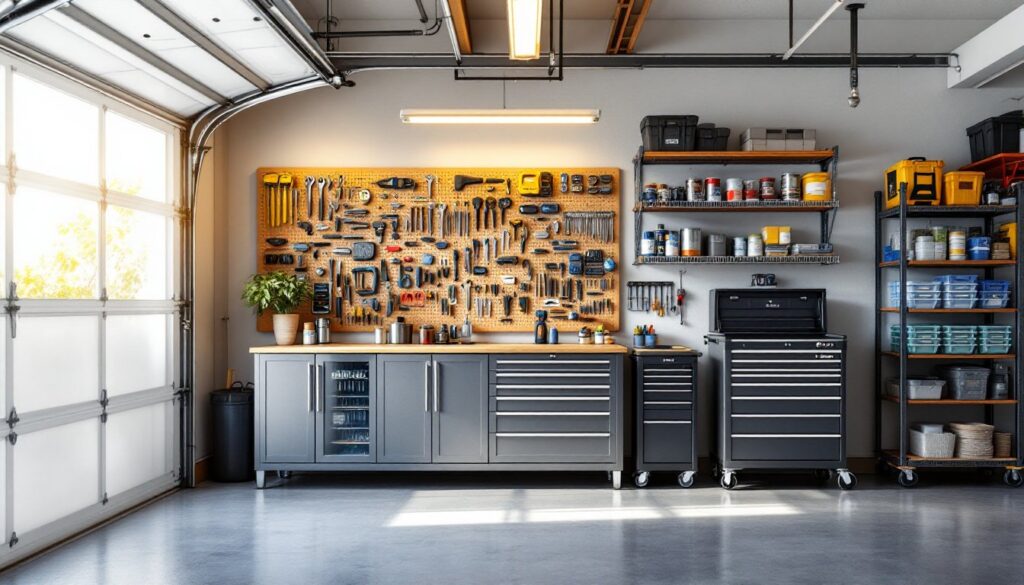
A well-organized garage starts with smart tool storage. Whether you’re a weekend DIYer with a modest collection or a serious hobbyist with dozens of power tools and hand tools, finding the right storage system makes projects faster, safer, and more enjoyable. Too many homeowners waste time hunting for the right wrench or screwdriver because tools are scattered across shelves, drawers, and dark corners. The good news: there are proven storage solutions that fit every garage size, budget, and tool collection. This guide walks through the best garage tool storage options available in 2026, from wall-mounted systems to mobile carts, so you can reclaim your space and keep your tools within arm’s reach.
Table of Contents
ToggleKey Takeaways
- Best garage tool storage combines wall-mounted systems, tool cabinets, and overhead racks to maximize both vertical and floor space while keeping tools accessible.
- Pegboards and magnetic strips are cost-effective solutions for organizing hand tools, with pegboards costing $20–$80 and mounted at shoulder height (48–60 inches) for comfortable reach.
- Tool cabinets provide secure, dust-free storage for expensive power tools and specialty items, ranging from $100–$250 for wall-mounted units and $200–$800+ for freestanding models.
- Mobile tool chests on heavy-duty casters bring flexibility to your workspace, allowing you to move your most-used tools between projects while keeping them organized in 3–7 drawers.
- Overhead racks reclaim unused ceiling space (rated at 20–40 pounds per linear foot) for seasonal gear and rarely-used items, freeing up wall and floor space for active work.
- Drawer organizers and labeled storage bins for small items like bits and fasteners prevent clutter and save time hunting for tools, with plastic trays costing $10–$30 and label makers at $20–$30.
Wall-Mounted Systems: Maximize Vertical Space
Wall-mounted storage is the most efficient way to organize a garage. Unlike floor-based cabinets, vertical systems free up valuable floor space for a workbench or parking, while keeping tools visible and accessible. Most garages have plenty of bare wall real estate, don’t waste it.
Pegboards and Magnetic Strips for Easy Access
Pegboards remain a classic for good reason. A standard 4-foot by 8-foot pegboard (or smaller 2-foot by 4-foot sections) mounts to wall studs with ½-inch pegboard anchors or bolts. The beauty is flexibility: you can rearrange hooks and baskets as your collection changes. Hardboard pegboards cost $20–$50 per sheet, while heavier-duty versions run $40–$80. Plastic or metal hooks (sold separately, typically $0.50–$2 each) let you hang wrenches, screwdrivers, pliers, and power cords.
One downside: pegboards collect dust and can sag over time if overloaded. Use wall studs for support, not drywall alone. Paint the pegboard first to make tool placement stand out and protect the surface.
Magnetic strips and magnetic tool holders work best for metal-handle tools, chisels, wrenches, drill bits, and specialty blades. A 24-inch magnetic strip costs $15–$35 and mounts in seconds with included hardware. Magnetic systems take virtually no space and let you see every tool at a glance. The downside: they don’t hold plastic-handle tools or larger items well.
Combining pegboards with magnetic strips covers most hand tools. Mount pegboards at shoulder height (48–60 inches from the floor) for comfortable access. Place magnetic strips just above or below the pegboard for frequently used metal tools.
Tool Cabinets: Secure Storage and Organization
Tool cabinets offer locked, dust-free storage for expensive power tools, blades, bits, and specialty items you don’t use daily. A solid steel cabinet protects tools from humidity, dust, and accidental damage, critical in garages near sea air or in climates with temperature swings.
Tool cabinets come in three main types. Wall-mounted steel cabinets hang on studs and hold moderate collections, perfect for small garages. A 24-inch by 30-inch cabinet costs $100–$250 and provides organized compartments for bits, fasteners, and small hand tools. Freestanding cabinets sit on the garage floor and range from 18 inches to 72 inches wide: these run $200–$800+ depending on material and size. Look for cabinets with adjustable shelves and locking doors if security matters (tools get stolen from unlocked garages).
High-end options like those reviewed in expert tool chest roundups include ball-bearing drawer slides, keyed locks, and durable finishes. Budget-friendly cabinets from big-box retailers work fine for light use, just verify the door hinges and locks feel sturdy before buying.
Line cabinet shelves with shelf liner or thin plywood to prevent tools from sliding and protect the finish. Group similar items: power drill bits in one section, fasteners in another, specialty blades in a third. Label shelves so everyone in the household knows where things live. For humidity control, place a silica gel pack or small dehumidifier inside cabinets in damp climates.
Mobile Tool Chests and Rolling Carts
A mobile tool chest puts your most-used tools on wheels, making them easy to move between projects or between the garage and other work areas. These are especially valuable if you work on multiple projects simultaneously or share garage space with others.
Rolling tool chests typically feature 3–7 drawers with locking mechanisms and ball-bearing slides. Sizes range from 27 inches (compact) to 52 inches (full-size). A mid-range 36-inch chest with 4 drawers costs $150–$400, while professional-grade versions exceed $800. The weight of a loaded chest (often 200+ pounds) demands heavy-duty casters rated for at least 500 pounds capacity, cheap wheels will fail quickly.
Open-top rolling carts (typically 24–36 inches wide) offer visibility and speed of access without enclosed drawers. These work well for active projects where you’re grabbing tools constantly. Cost: $80–$200. The trade-off: less protection from dust and no security.
Before buying, measure your garage doorway width and any narrow aisles, a 36-inch chest needs clearance to roll through. Check wheel locks: they should hold the cart firmly in place while you pull heavy drawers open. Test drawer slides under load: cheap ones bind and frustrate users quickly.
For a shared family garage, a rolling cart keeps kids or neighbors from grabbing tools without asking, and it’s easy to roll the entire chest into a storage area or out of the way during off-seasons.
Overhead Storage Racks: Ceiling Space Solutions
Overhead racks reclaim precious ceiling space for seasonal gear, bulk materials, and items you seldom need, freeing up wall and floor space for active work. Most garages have 8–10 feet of height: standard cars only need 7 feet, leaving 1–3 feet of unused overhead real estate.
Heavy-duty overhead racks mount directly to ceiling joists with ½-inch bolts or lag screws rated for the joist load capacity. Most residential ceiling joists in garages are spaced 16 inches on center and can safely hold 20–40 pounds per linear foot when properly fastened. Racks cost $150–$500 depending on size and materials (steel vs. aluminum). A typical 4-foot by 8-foot steel rack (rated for 600–1000 pounds) runs around $300–$400.
Always locate ceiling joists with a stud finder before installing, mounting to drywall alone will cause the rack to crash down under load. Use lag bolts or through-bolts into solid joists, never drywall anchors. If you’re unsure about joist spacing or load calculations, hire a handyperson or contractor to install the rack safely.
Ideal overhead storage includes paint cans, seasonal decorations, holiday items, bulky PVC or lumber offcuts, and rarely-used power tools. Keep heavy items at the front near the attachment points. Store toxic items (pesticides, fuel) in labeled containers and ensure good ventilation. Never store anything directly above a workbench where it could fall on someone. Use home maintenance guides to refresh seasonal prep routines and know what gear to rotate in and out of overhead racks.
Small Tool Organization: Drawers and Shelving Units
Hand tools, bits, blades, and fasteners require fine-grained organization. A drawer or shelving unit dedicated to small items keeps them sorted, visible, and protected.
Drawer organizers (plastic trays, wooden dividers, or custom foam inserts) prevent bits from rolling loose and keep screwdrivers from tangling with wrenches. Budget organizers are $10–$30 per tray: custom foam kits run $40–$100. The investment pays off in time saved hunting for the right size or type. Labeling is non-negotiable, a label maker costs $20–$30 and eliminates guessing.
Shelving units (5-shelf metal racks or built-in cabinet shelves) hold paint, oils, fastener bins, and reference materials. A basic 5-shelf unit runs $80–$150 and works in tight corners. Ensure shelves are rated for your load, a gallon of paint weighs 8 pounds, and a full shelf of paint cans adds up fast. Use adjustable shelves so you can adapt spacing as your collection changes.
Plastic storage bins with handles and lids ($5–$20 each) work brilliantly for fasteners, bits, and small parts. Label them clearly: “#8 Wood Screws,” “Drill Bits (1/16–1/4),” “Masonry Bits,” etc. Stackable bins maximize vertical space. Clear bins let you see contents at a glance without opening them.
Group similar small items together. All fasteners in one zone, all bits and blades in another, all abrasives and sandpaper in a third. This system saves time and prevents buying duplicates you already own but can’t find. Implementing storage container solutions alongside shelving and drawers creates a cohesive, easy-to-maintain system.
Conclusion
The best garage tool storage combines vertical and horizontal organization, security where needed, and accessibility for daily use. Start with wall-mounted pegboards and magnetic strips for hand tools you use often, add a tool cabinet for expensive or hazardous items, and use overhead racks for seasonal gear. Rolling carts work well for active projects, while drawers and shelving keep small parts organized. No single system works for every garage, mix and match based on your tools, space, and workflow. Take time to measure, secure heavy loads properly, and label everything. A well-organized garage becomes a safer, more efficient workshop where you actually enjoy spending time.