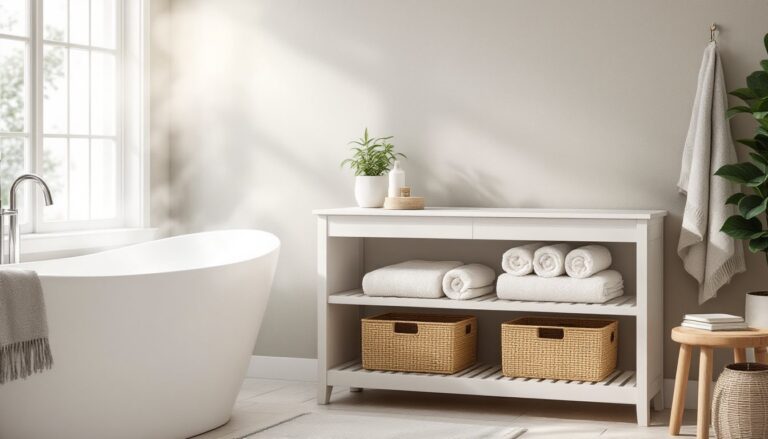
Bed sheet storage might seem straightforward, just fold them and toss them in the linen closet, right? Wrong. Most homeowners waste precious closet space with haphazard stacking that leads to wrinkles, missing pillowcases, and forgotten sets buried in the back. Smart bed sheet storage transforms chaos into an organized system that saves time when you’re changing beds and maximizes the space you actually have. Whether you’re working with a sprawling master bedroom or a tight apartment, there’s a practical solution that fits your situation. This guide walks through proven methods that work for real homes, not magazine spreads.
Table of Contents
ToggleKey Takeaways
- Bed sheet storage ideas like vacuum bags can compress a queen set to the size of a cereal box, but work best for off-season linens rotated only a few times per year.
- Clear labeled containers beat vacuum bags for frequently accessed linens, letting you grab the exact sheet set you need in seconds without opening multiple storage options.
- Storing complete sheet sets inside matching pillowcases eliminates lost fitted sheets and works well for everyday linens with minimal cost or complexity.
- Installing dedicated shelving with proper spacing (10–12 inches apart) transforms a chaotic linen closet into an organized, accessible system that supports multiple storage methods.
- Seasonal rotation keeps your active sheet collection lean by storing off-season fabrics (flannel for winter, percale for summer) in separate zones and inspecting them quarterly.
- Always ensure sheets are completely dry before storage, keep them away from humid basements and direct sunlight, and label everything clearly to prevent wasted time searching for the right set.
Use Vacuum Storage Bags for Maximum Space Efficiency
Vacuum storage bags are workhorses when you need to compress sheets down to a fraction of their original size. A standard gallon-sized vacuum bag can flatten a complete queen sheet set into something the size of a cereal box. This matters if you’re storing off-season linens, keeping backup sets, or working with limited closet real estate.
Here’s the practical side: vacuum bags do their job, but they come with trade-offs. Sheets stay compressed for months without issue, but repeatedly vacuuming and re-vacuuming the same bag can eventually degrade the seal. Temperature swings in attics or basements can also cause slow air leaks over time.
How to pack them properly:
- Fold the sheet set into thirds to create a compact rectangle
- Smooth out air pockets as you place sheets into the bag
- Seal the bag partially, then use a vacuum hose to remove air
- Finish sealing completely, listen for the click or final seal indicator
- Label the bag clearly with sheet size and thread count before storing
Keep vacuum bags on shelves or in bins, not directly on concrete floors where moisture wicks upward. Check seals every 3-4 months if storing long-term, especially in humid climates. For most households, rotating sheets seasonally means you’re vacuuming bags only a couple times per year, totally manageable.
Organize Sheets by Set in Clear Labeled Containers
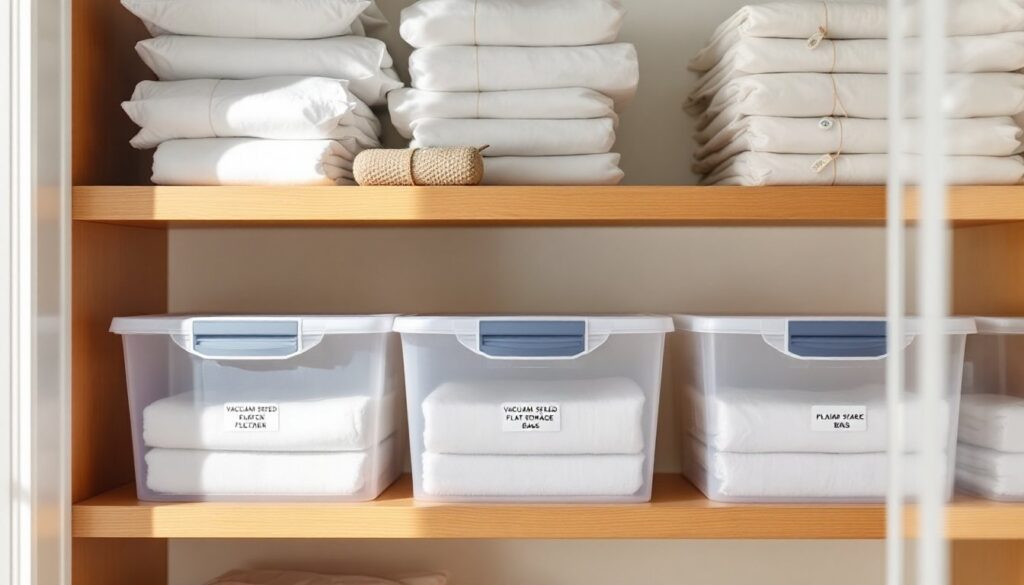
Clear plastic storage containers are the underrated MVPs of sheet organization. You can see exactly what’s inside without opening each box, grab the set you need in seconds, and stack them efficiently on shelves. A 12-quart or 18-quart clear plastic bin holds one to two complete sheet sets depending on thread count and fabric thickness.
This method beats vacuum bags if you access your linens regularly. Vacuum bags work fine for off-season storage, but if you’re rotating sheets weekly or changing beds frequently, containers let you grab what you need without any fussing around.
For container selection, look for bins with secure latching lids, the kind that snap firmly into place. Cheaper flimsy lids get brittle over time and won’t protect sheets from dust. Dollar-store bins work in a pinch, but they crack faster than quality containers from hardware stores.
Labeling is crucial. A label gun or waterproof sticker on the front should include:
- Sheet size (twin, full, queen, king)
- Thread count or fabric type (cotton, linen blend)
- Quantity of sets in the bin
- Date you organized them (helps when rotating old linens out)
Stack no more than three bins high on a shelf, heavier stacks can crush the bottom container and crease the sheets inside. Store containers in a cool, dry location away from direct sunlight, which can fade colors over time. Many homeowners find that keeping one active set in the bedroom and 1–2 backup sets in storage bins keeps things manageable without overstocking.
Store Sheets Inside Matching Pillowcases
This old trick still works: fold your sheet set and tuck everything inside one of its own pillowcases. A queen pillowcase holds a full queen sheet set (fitted sheet, flat sheet, and second pillowcase) with room to spare. The payoff is immediate, you grab one pillowcase, and the entire set comes with it. No more hunting for a missing fitted sheet that somehow migrated to another closet.
This method works especially well for everyday sets you use regularly. There’s no barrier between you and the linens, and sheets come out ready to use without vacuum-bag crinkles or the delay of opening containers.
The downsides: you can’t see what’s inside at a glance, and the pillowcase exterior can dust over time. Combine this technique with a simple label (write the thread count and fabric on a tag and safety-pin it to the pillowcase) and store on open shelves where air circulates. Avoid stacking too many pillowcases in a closed drawer where moisture can linger.
For maximum efficiency, dedicate one specific area of your linen closet to these bundles. Some families keep Sunday-set, guest-set, and kids-set organized this way, each in its matching pillowcase. It’s low-tech, low-cost, and surprisingly effective for households that don’t need elaborate systems.
Install a Dedicated Closet Shelf or Storage Unit
If your current linen closet is a chaotic stack with sheets falling out every time you open the door, installing proper shelving fixes the problem at the root. A dedicated sheet storage area with adjustable wire or solid shelves gives you control over vertical space and makes everything visible and accessible.
If you’re renting or don’t want to permanently alter your closet, freestanding over-the-door organizers or shallow shelving units (12–18 inches deep) fit neatly into closets without tools. For owned homes, adding one or two shelves to an existing closet is a straightforward project: locate studs, install shelf brackets, and lay down solid shelving boards (3/4-inch plywood works fine and costs less than finished shelves).
Measure your closet space carefully before buying anything. Most standard closets are 24 inches deep, so shelves in that range won’t stick out and waste space. If you’re installing shelves yourself, use a level to ensure they’re perfectly horizontal, unlevel shelves cause stacks to shift and sheets to slide.
Wire shelving sheds dust more easily than solid shelves but doesn’t support heavy stacks as well. For linens, solid shelves are worth the extra investment. Space shelves 10–12 inches apart vertically to fit folded sheets plus a small margin. This leaves room for future additions without overcrowding. Many homeowners combine dedicated shelving with clear containers or the pillowcase-bundle method, the organizational system supports whatever storage style you choose.
Rotate Seasonal Sheets Strategically
Not all sheets work year-round. Lightweight cotton percale is ideal for summer heat, while flannel and jersey knit sheets are cozy for winter. Rotating seasonally keeps your active sheet collection lean and frees up valuable storage space for other items. Most households need only 2–3 active sets in rotation, one on the bed, one in the wash, one as backup.
For strategic rotation, designate separate storage zones for seasonal sets. Keep 2–3 active sets in your primary closet or bedroom for easy access. Move off-season sheets to a secondary location: a guest room closet, basement shelf, or even a hall closet. If basement storage gets humid, use those vacuum bags to compress seasonal sets and protect them from moisture.
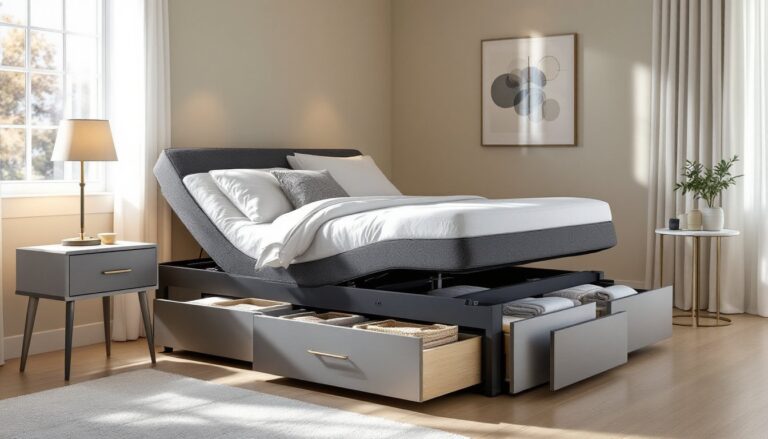
In a small bedroom, storage solutions for small bedrooms become essential when juggling multiple fabrics and seasons. A rolling under-bed storage container works well for off-season linens if your bedroom closet is cramped. Label everything clearly so you know exactly what’s stored where and when to swap sets.
Decide your rotation schedule based on your climate. Regions with mild weather year-round might swap sets quarterly. Cold climates with harsh winters and hot summers need a more aggressive rotation. Every spring and fall, pull out your off-season sets and inspect for stains or fading before storing them again. This habit catches problems early and prevents surprises when you need those sets months later.
Access and Maintain Your Sheet Collection Properly
Smart storage means nothing if you can’t actually maintain your sheets and keep them in good condition. Fold sheets the same way every time so they stack neatly and fit containers consistently. A simple tri-fold (fold lengthwise twice, then in thirds) works faster than elaborate rolling methods and saves space.
Wash sheets on a regular cycle, usually every 1–2 weeks depending on use and preference. Before storing, ensure sheets are completely dry to prevent mold and mildew. A damp sheet stored in a closed container creates the perfect breeding ground for odors and stains that don’t come out later.
When rotating between sets, inspect them quickly. Check for stains, small tears, or fabric pilling. Address small issues immediately: treat stains before they set, and a lint roller removes pilling without damaging fabric. Many DIYers and interior design fans use long-term storage solutions with these inspection routines built in, catching problems before they become permanent.
Keep sheets away from direct sunlight during storage, UV exposure fades colors and weakens fibers over time. Avoid humid basements unless using vacuum bags: instead, choose a climate-controlled linen closet or bedroom storage area. If you notice odors when opening storage containers, add a sachet of cedar chips or lavender, or simply leave containers open for an hour to air them out. Never use mothballs on linens, the smell lingers and affects skin comfort.
Conclusion
Effective bed sheet storage boils down to matching your method to your lifestyle and space constraints. Whether you vacuum-bag seasonal sets, stack containers on dedicated shelves, or bundle everything in a pillowcase, the goal is the same: quick access, protected linens, and no wasted space. Start with one method that feels natural to your household routine, then adjust as needed. Most homeowners find that organizing sheets properly saves time during laundry day and keeps bedrooms feeling less cluttered. Pick a system, label everything clearly, and your morning sheet changes become one less source of frustration.