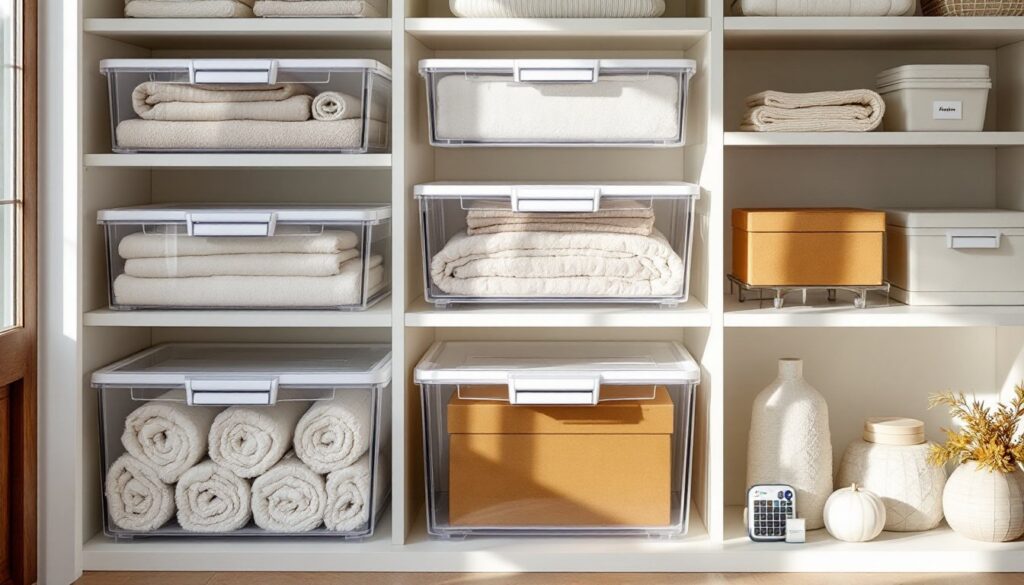
Acrylic storage bins have become a staple in modern homes, and for good reason. Unlike opaque plastic containers that hide their contents, acrylic bins let you see exactly what’s inside without opening them up. Whether you’re organizing a bedroom closet, garage shelves, or kitchen pantry, acrylic storage bins offer a transparent, stackable solution that blends function with clean aesthetics. They’re durable, affordable, and make it easy to maintain a system you can actually stick with. This guide walks through everything you need to know about selecting, using, and maintaining acrylic storage bins to transform cluttered spaces into organized havens.
Table of Contents
ToggleKey Takeaways
- Acrylic storage bins offer superior visibility and durability compared to opaque plastics, helping you avoid duplicate purchases and reducing clutter while resisting yellowing and cracking over time.
- Choose acrylic bins based on your specific storage needs—thicker acrylic (3–4mm) for heavy items like books and tools, standard 2–3mm thickness for lighter items like clothing and blankets.
- Stackable acrylic storage bins can support 50–100 lbs. per unit and are ideal for vertical storage in basements, closets, and garages, but avoid stacking more than four bins high without proper anchoring.
- Label all bins clearly with contents and dates to prevent “mystery bins” and implement a quarterly rotation system to wipe down interiors and reassess items, preventing bins from becoming catch-alls.
- Maintain acrylic storage bins by cleaning with mild soap and water monthly, using vinegar solutions for stubborn stains, and avoiding harsh chemicals like bleach and acetone that can cloud or crack the material.
- Budget $15–$40 per bin depending on size and quality, with complete closet organization systems ranging from $60–$120 and full garage setups costing $250–$500.
Why Acrylic Storage Bins Are the Go-To Choice for Modern Homes
Acrylic storage bins deliver what other materials can’t: visibility, durability, and style in one package. When you can see what’s stored inside, you’re less likely to buy duplicates or forget about items buried in your closet. This visibility alone cuts down on waste and impulse purchases.
Acrylic is also resistant to yellowing and cracking over time, unlike cheaper plastic alternatives. It won’t become brittle from temperature swings or sun exposure, making these bins reliable for basements, attics, and even rooms with large windows. The material is also lightweight, so you can move bins around during reorganizing without straining your back.
From a design perspective, clear acrylic has a neutral, modern look that works with any decor style. Acrylic storage bins fit seamlessly into minimalist spaces, industrial lofts, or traditional homes. This flexibility is why interior designers and home organizers reach for them so often. You get professional-looking organization without the premium price tag of designer systems.
Types and Sizes of Acrylic Storage Bins for Every Space
Acrylic bins come in a wide range of sizes and shapes, each suited to different storage needs. Standard rectangular bins, typically 12″ × 8″ × 6″ or 15″ × 10″ × 8″, work for most closets and shelves. Deeper bins (10″–12″ deep) suit garage storage and basement shelving. Smaller 6″ cube-style bins are ideal for drawer organization or desktop storage.
When measuring your space, account for actual shelf width and depth, not just the bin dimensions. Also check shelf weight limits: acrylic is lighter than metal, but a fully loaded stack of large bins can still exceed old particle-board shelving capacity.
Stackable Acrylic Bins and When to Use Them
Stackable acrylic bins are the workhorses of vertical storage. They feature reinforced corners and bases designed to handle weight without flexing or cracking. Stackable models typically support 50–100 lbs. per bin when stacked, depending on the quality and thickness of the acrylic.
Use stackable bins when floor or shelf space is limited but you have vertical clearance. Basements, closets, and garage lofts are perfect candidates. But, avoid stacking more than four bins high unless the bottom unit is anchored to prevent tipping, especially in homes with children or pets. Always confirm the manufacturer’s stacking weight limit before loading.
Storage containers aren’t all created equal, acrylic stackables specifically offer transparency plus structural integrity that other materials struggle to match.
How to Choose the Right Acrylic Bins for Your Home
Start by measuring the exact spaces where you plan to store bins. Jot down width, depth, and height in inches. Next, decide what you’ll store: seasonal clothing, holiday decorations, pantry goods, or tools. Heavy items like books or tools need thicker acrylic (at least 3–4mm) to prevent warping under load: lighter items like blankets or craft supplies can use standard 2–3mm bins.
Check the lid mechanism too. Snap-fit lids are quick and easy: hinged lids stay attached and won’t get misplaced, but they take up extra vertical space. Some acrylic bins have handles molded into the sides, which matters if you’ll be moving them frequently.
Brand reputation matters here. Higher-quality acrylic bins maintain clarity longer and resist scratches better than budget options. Look for reviews mentioning durability, not just appearance. Also consider whether you need odor-resistant bins for food storage or standard bins for general use.
Budget roughly $15–$40 per bin depending on size and quality. A five-bin set for closet organization might run $60–$120 total, while a full garage storage system with 15–20 bins could cost $250–$500. Regional pricing and seasonal sales significantly affect these estimates.
Smart Organization Tips Using Acrylic Storage Solutions
Labeling is non-negotiable. Use a label maker or waterproof labels to mark the contents and, if helpful, the date stored. This prevents the “mystery bin” problem where you can see items but can’t remember what’s inside. For rotating seasonal items, note the year so you know when it’s safe to reassess whether you actually need that décor.
Basement storage ideas often revolve around grouping similar categories into zones. Create a section for holiday decorations, another for sports equipment, and a third for holiday décor or off-season clothing. This zone approach makes retrieval quick and prevents rummaging through bins.
Use dividers inside larger bins to separate smaller items. T-shirts stack neatly, but loose socks, belts, and ties benefit from internal compartments or small boxes placed inside the larger bin. This extra layer of organization keeps contents from shifting and stays accessible.
Rotate bins quarterly. Pull everything out, wipe down the interior, and reassess what’s actually being used. This habit prevents bins from becoming catch-alls for forgotten junk. It’s also a good time to spot cracked or discolored acrylic before it worsens.
Stacking bins vertically creates more usable floor or shelf space, but always leave at least 2–3 inches of clearance on the sides for humidity circulation and easy access. Cramming bins wall-to-wall can trap moisture and make retrieval awkward.
Maintenance and Care for Your Acrylic Storage Bins
Acrylic is durable, but it does need basic care to stay clear and scratch-free. Wipe down bins with a soft, lint-free cloth and warm soapy water monthly. Avoid harsh abrasives or scouring pads: these scratch the surface and dull the clarity you paid for.
For stubborn stains or residue, use a solution of equal parts white vinegar and water. Spray lightly, let sit for a minute, and wipe clean. Dry immediately with a microfiber cloth to prevent water spots.
Don’t use bleach on acrylic, it can cause discoloration and brittleness over time. Similarly, avoid acetone, alcohol-based cleaners, and petroleum products, which can cloud or crack acrylic. Stick to mild dish soap and water as your default cleaner.
Store bins away from direct sunlight when possible. While acrylic resists yellowing better than older plastics, prolonged UV exposure will eventually cause a slight color shift. In basements or interior closets, this isn’t a concern, but bins on a shelf facing a south-facing window should be rotated or shaded.
Check lids and hinges annually. If a snap-fit lid starts to wear, replace it rather than force-fitting a loose lid, which can crack the bin edge. Most manufacturers sell replacement lids affordably, extending the life of your bins.
Conclusion
Acrylic storage bins are a practical, long-lasting investment in home organization. Their transparency, durability, and design flexibility make them the smart choice for anyone tired of clutter. Whether you’re organizing a bedroom, garage, or basement, the right bins, paired with thoughtful labeling and maintenance, will keep your space functional and visually calm for years. Start small, label everything, and expand your system as needs evolve.