Bedroom clutter happens fast. Between seasonal clothes, extra bedding, and the random things that migrate under the bed, storage space vanishes. A bed frame with storage isn’t just a trendy option, it’s a practical solution that reclaims square footage without requiring a renovation. Whether you’re working with a compact bedroom or simply want to cut back on additional furniture, storage bed frames combine sleeping space with functional organization. This guide walks through the options, selection criteria, and installation basics to help you pick the right fit for your room.
Table of Contents
ToggleKey Takeaways
- Bed frames for storage eliminate the need for separate dressers and cabinets, reclaiming floor space while reducing furniture costs and delivery fees.
- Choose between under-bed drawers, platform styles, hydraulic lifts, or bookcase designs based on your space, storage needs, and budget—ranging from $400 entry-level to premium custom options.
- Solid wood and metal-frame storage beds last 15+ years with basic care, while engineered wood options are budget-friendly but have shorter lifespans.
- Proper installation requires level floors, correct bolt torque, and monthly drawer maintenance using silicone-based lubricants to prevent sticking and ensure longevity.
- A tidy bedroom with hidden storage reduces visual clutter and psychological stress while making rooms feel larger and more organized.
- Measure your bedroom dimensions and weight capacity before purchasing—platform beds need roughly 120 square feet for a queen size, and most frames support 500–750 pounds total.
Why Choose a Storage Bed Frame
A storage bed frame tackles a real problem: bedroom square footage is finite. Adding a standalone dresser or cabinet steals floor space and disrupts flow. A bed with built-in storage eliminates that trade-off. You gain cubic footage for items like off-season clothing, extra pillows, board games, or school supplies without sacrificing walkable floor area.
Beyond space savings, these frames simplify room design. A cluttered bedroom stresses the eye and mind. Built-in storage keeps belongings out of sight while remaining accessible, no need to stuff a closet beyond capacity or cram items into random corners. The psychological benefit of hidden storage shouldn’t be underestimated: a tidy-looking room feels larger and calmer.
Cost matters too. A quality storage bed frame costs less than purchasing a bed and a separate dresser or cabinet. You’re consolidating furniture, which also reduces delivery fees and assembly time. For renters or anyone avoiding permanent wall modifications, storage beds offer flexibility, they’re moveable units that require no installation into drywall or framing.
Durability is worth mentioning. Solid wood or metal-frame storage beds last decades with basic care. Unlike some trendy storage solutions, they’re a long-term investment that adapts as your room’s purpose changes.
Types of Storage Bed Frames
Under-Bed Drawers and Platform Styles
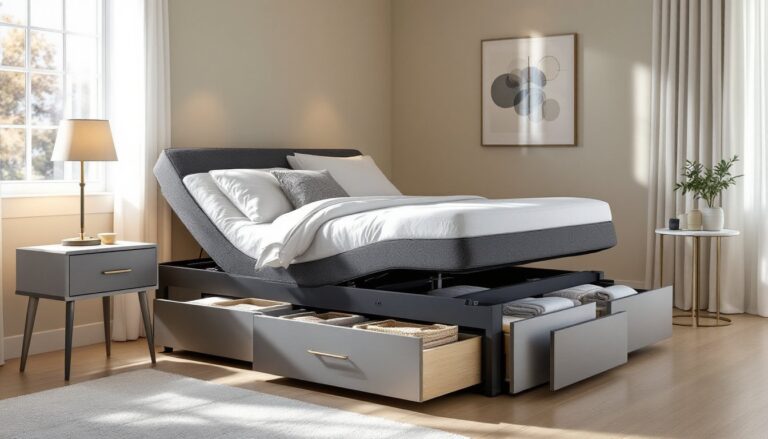
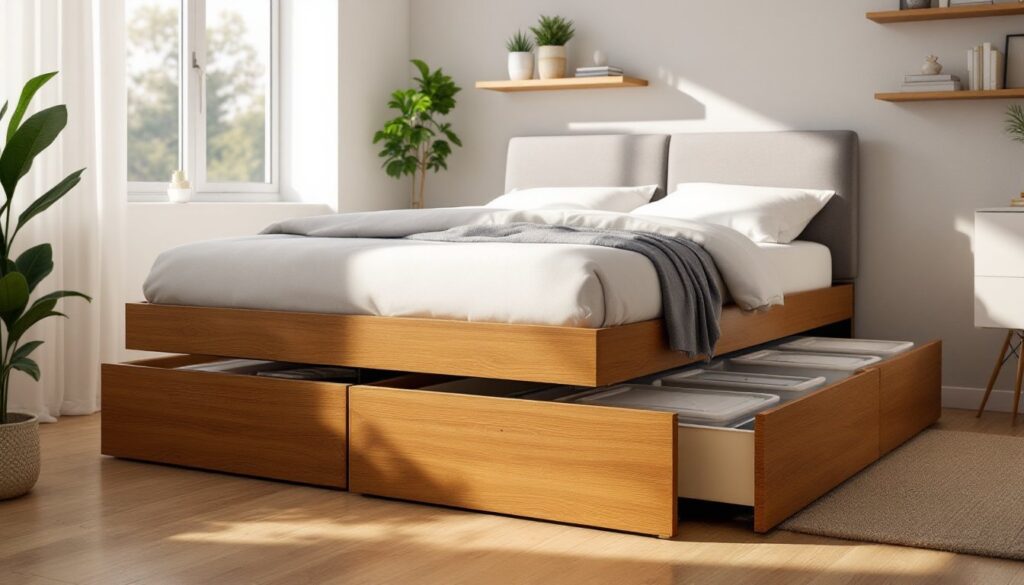
The most common storage bed design features rolling drawers mounted on ball-bearing slides beneath the sleeping surface. These typically come in sets of two or four drawers, each capable of holding 50–100 pounds depending on construction. Drawers pull out smoothly from either side and nestle completely under the frame when closed.
Platform-style storage beds raise the mattress 18–24 inches off the ground using a solid wooden base instead of traditional slats and a spring box. The hollow space underneath accommodates large, open cubbies or standard storage bins that slide in and out. This design works well if you prefer flexibility, you can swap bins, adjust what you store, or remove them entirely. Platform beds also offer better weight distribution across the frame: the solid base supports heavier loads than slatted designs.
Materials vary. Engineered wood (plywood and particle board veneered with laminate or veneer) keeps costs down but won’t match solid wood longevity. Solid hardwoods like oak or walnut resist warping and dents. Metal-frame beds with wood tops offer a modern hybrid that’s lightweight and durable. For longevity, solid wood or metal frames outlast budget engineered options by 15+ years with proper care.
Hydraulic Lift and Bookcase Designs
Hydraulic lift beds use gas spring dampers, the same mechanism as car tailgates, to raise the entire sleeping platform on hinges, exposing a large storage cavity underneath. This design maximizes usable space: the entire under-bed area becomes one open compartment. Setup takes seconds: pull or press a lever, and the mattress glides up silently. A safety strap prevents the platform from slamming down.
Hydraulic systems require minimal daily maintenance. Dampers can eventually weaken after 10,000+ cycles (roughly 10 years of regular use), but replacement kits cost $50–150. This style suits master bedrooms or guest rooms where deep storage and clean aesthetics matter, nothing protrudes visibly until you lift the bed.
Bookcase storage beds integrate tall shelves or cabinets into the headboard or footboard. This approach combines sleeping space with display or storage in a single vertical footprint. Floating shelves work for decorative items or lightweight storage baskets. Full-height wooden cabinets suit heavier items like books, electronics, or craft supplies. Bookcase designs excel in smaller rooms where wall space is your best ally, storage moves vertical instead of horizontal.
The drawback: assembly complexity increases with these styles. Hydraulic lifts require careful installation of springs and safety mechanisms: bookcase beds demand precise carpentry for shelves to be level and secure. Some manufacturers offer professional assembly for an added fee, worth considering if you’re uncomfortable with power tools or weight-bearing structures.
How to Choose the Right Storage Bed Frame for Your Space
Start with measurements. Your bedroom dimensions dictate bed size. Measure wall-to-wall length and width: a queen bed (60″ × 80″) needs roughly 120 square feet of floor space to allow walking room on three sides. Check ceiling height too, platform beds with tall headboards or hydraulic lifts that raise high may feel cramped in rooms under 8 feet.
Next, identify what you’ll store. Seasonal clothing fits flat drawers perfectly. Bulky items like suitcases demand taller cavities. If you’re planning to store heavy tools, craft supplies, or books, confirm the frame’s weight rating. Most quality wood frames handle 500–750 pounds total: hydraulic beds sometimes cap at 400. Overloading compromises springs and shortens the bed’s lifespan.
Consider room layout. Corner placements suit beds with one footboard or side opening (drawers on one side). Center-wall beds benefit from symmetric designs. If you have limited closet space, a storage frame with drawers on both sides maximizes access without repositioning the entire unit.
Material and finish affect durability and aesthetics. Solid wood frames require periodic staining or oiling: veneered particle board needs only dusting and vacuuming. Metal frames resist moisture better in humid climates but can cool the room psychologically (fair or not). Match your existing furniture, a modern metal frame clashes with rustic wood, and vice versa.
Budget realistically. Entry-level storage beds (engineered wood, basic drawers) run $400–700. Mid-range solid wood with quality slides costs $800–1,500. High-end hydraulic lift or custom bookcase beds start at $1,500 and climb. Factor in delivery and assembly: many retailers charge $150–400 for professional setup. DIY assembly saves money but demands 2–4 hours and a helper for moving the frame.
Installation and Maintenance Tips
Most storage beds arrive partially assembled. Headboards, frames, and drawer components ship separately to reduce damage in transit. Assembly requires a cordless drill, a socket set or wrench, and a helper, bed frames are awkward solo. Check the manual for bolt torque specs: over-tightening strips threads, while under-tightening allows shift and wobble.
Before assembly, confirm your floor is level. Use a 4-foot level across the room’s length and width. Sloped floors cause drawers to drift open or stick. Shim under the frame feet with metal shims (sold at hardware stores) until the bed sits square. This step prevents alignment headaches later.
Install the mattress only after the frame is fully assembled and stable. This prevents accidentally placing weight on partially secured joints. If your frame has slatted support, check that slats are equally spaced (typically 2–3 inches apart) to prevent sagging. Solid platform bases don’t require slats but benefit from small felt pads on the underside to protect floors during movement.
Drawer maintenance is simple. Slide them in and out monthly to lubricate the slides naturally. If drawers stick or squeak, apply a silicone-based lubricant (not oil, which attracts dust) to the slide tracks. Avoid overstuffing drawers, exceeding the weight limit warps the frame and damages the slide mechanism. Label drawer contents with adhesive labels so you remember what’s stored.
For hydraulic lift beds, periodically test the dampers with light pressure. If the platform rises or falls slower than usual, or creaks audibly, dampers may be weakening. Replacement is straightforward with basic tools and an online video guide. Protect the mattress during maintenance by placing plywood over the opening.
Clean the exterior quarterly with a microfiber cloth and appropriate cleaner for the material, wood polish for stained or sealed wood, mild soap and water for painted surfaces, and a dry cloth for metal. Avoid abrasive pads, which scratch finishes. Professional woodworking resources like Ana White offer detailed maintenance guides specific to different wood types and finishes.
Inspect the frame annually for loose bolts, cracked slats, or bent rails. Tighten bolts with a socket wrench: replace cracked slats immediately to prevent uneven mattress support. Loose connections amplify over time, so addressing them early prevents bigger problems and extends the bed’s life.
Conclusion
A storage bed frame is a practical, long-term investment that solves a genuine bedroom challenge. Whether you choose drawers, a platform base, a hydraulic lift, or a bookcase design depends on your space, budget, and storage needs. Invest time in measurements and layout planning upfront, follow assembly instructions carefully, and maintain the bed with simple seasonal checks. Done right, a storage frame stays functional and attractive for 15+ years while freeing up floor space and cutting clutter. Your bedroom will feel larger, more organized, and genuinely yours.